Frisco E-Bike

E-Bike Parts

E-Bike Controllers

The brain between battery, motor, throttle and display.

The controller is the box that takes battery power and meters it out to the motor based on what the throttle, pedal sensor, brake sensors and display are telling it. When it fails, the symptoms look like everything else failing at once: the bike powers on but will not move, the motor stutters or cuts out under load, or the display throws an error code. Controllers do die, usually from heat, water intrusion, or a short in the wiring, but they are also the part most often replaced unnecessarily, so it is worth confirming the diagnosis before you buy.

Matching a controller is a checklist, not a single spec. Battery voltage (36V, 48V, 52V, or a dual-rated unit) must match your pack. The controller's rated continuous and peak current must suit the motor; a 15A controller on a 750W motor will feel weak, and a 35A controller on a small geared hub can overheat it. Most modern hub-motor controllers are sine-wave units that need the motor's three phase wires and five hall-sensor wires connected correctly; some are square-wave or sensorless and behave differently. Then there are the small connectors for throttle, brake cutoffs, pedal-assist sensor, speed sensor and lights, which vary in pin count and wiring.

The part people miss is the display. The controller and display talk over a serial protocol that is specific to the maker and often the firmware version, so a KT controller generally needs a KT-compatible display, a Bafang controller needs a Bafang-protocol display, and generic units are usually sold as a controller-plus-display kit for exactly this reason. If you are replacing the controller on a stock bike, the safest path is the bike maker's own replacement. Mismatched electrical parts can damage a controller or battery; when you are not sure what you have, an E-Bike Assessment is the safe next step.
3 products

Shop e-bike controllers

Open a product for our full notes, pros and cons, and the link to its Amazon listing. We do not sell or ship products ourselves.

Filter

Battery voltage

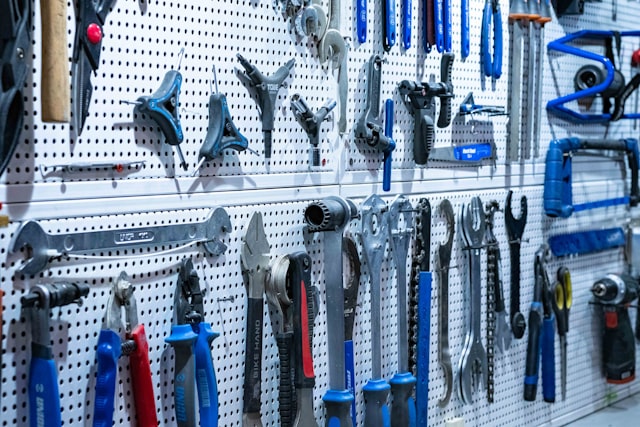
Tools hanging on a repair shop wall
E-Bike ControllersFeatured

KT 36V/48V 22A Sine Wave Controller

KT (Kunteng) controllers are the de facto standard in the conversion-kit world, and the 22A sine wave unit is the one most people end up with for a 500W–750W hub motor. Sine wave drive is quieter than square wave and smoother off the line. KT controllers talk a specific serial protocol to KT displays (LCD3, LCD8H and friends), so if you already have a KT display this is the natural match; if you have a different display, plan to replace both. Connectors are typically the Julet/Higo waterproof style, which makes wiring tidy but ties you to matching plugs.

Best for: Replacing a dead controller on a KT-based conversion kit · Upgrading a noisy square wave controller to sine wave · Pairing with a KT LCD display

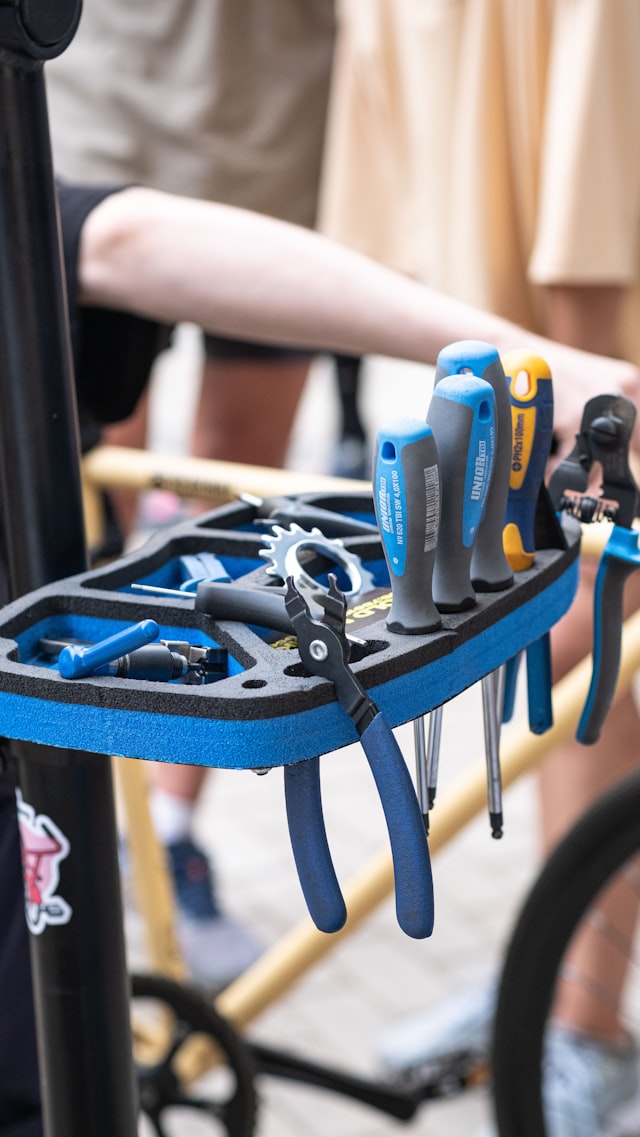
Bike tools organized on a workshop rack
E-Bike Controllers

36V/48V 15A Dual-Mode Controller for 250W–350W Hubs (generic)

Small folding and commuter e-bikes with 250W–350W hub motors use compact 15A controllers that tuck into a frame cavity or under the rack. The dual-mode versions can run with or without hall sensors, which makes them forgiving when a hall wire has failed. Many budget bikes use a controller like this paired with a simple LED or LCD, so the catch is always the display protocol and the connector set. Buy one when your bike's original is out of stock, and be prepared to swap the display and throttle to matching parts if the protocol is unknown.

Best for: Small-motor folding and commuter e-bikes · Replacing a controller in a tight frame cavity · Bikes with a suspect hall sensor (dual-mode runs sensorless in a pinch)

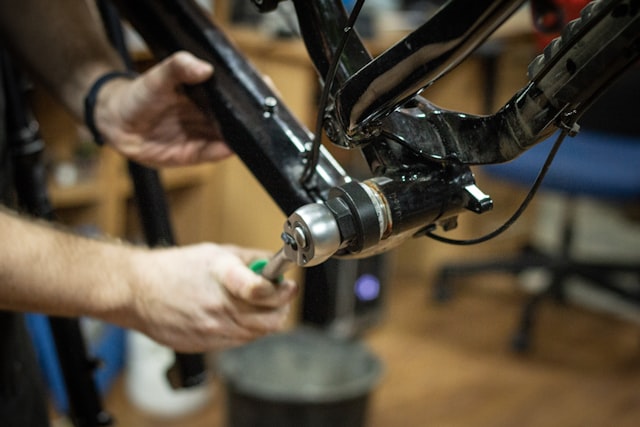
Mechanic working on bike components
E-Bike Controllers

48V 1000W 35A Brushless Controller (generic)

The bare-bones 48V 1000W controller with a bundle of labeled leads is the universal patient in the generic direct-drive conversion world. It is a square wave controller, so it hums a little under load, but it is cheap, tolerant, and its wiring is well documented on forums. Most include throttle, brake, PAS, hall and phase leads plus a three-speed or cruise lead. It is the right purchase when the original controller on a generic kit fails and you just need the bike moving again. It is the wrong purchase if you expect it to drive a branded display.

Best for: Generic 48V 1000W direct-drive conversion kits · Riders who want a cheap, available fix for a dead controller · Builders comfortable matching wire colors and connectors

How to choose e-bike controllers

Battery voltage rating

Buy a controller rated for your pack voltage. Dual-rated units (36V/48V or 48V/52V) exist, but the low-voltage cutoff must be right for your pack or the bike will shut off early or over-discharge the cells.

Current rating matched to motor and battery

The controller's continuous amps should be near the stock unit's rating and must not exceed what the battery's BMS can supply. More amps means more heat in the motor and a bigger load on the pack.

Motor type and sensor wiring

Confirm hall-sensored versus sensorless, sine-wave versus square-wave, and the phase and hall connector style. The motor's connector should plug straight in; if it does not, you are rewiring, which adds risk of phase or hall mismatch.

Display protocol

Controllers and displays are usually sold as matched pairs. Unless the seller states that the controller is compatible with your exact display model, plan to buy both together.

Peripheral ports

Count what you need: throttle, one or two brake cutoffs, pedal-assist sensor, speed sensor, light output, and whether the bike uses a single multi-pin main cable. Missing one port means an accessory stops working.

Physical size and mounting

Controllers often live inside a frame box, under the rack, or inside the downtube. Measure the space and the cable exit direction before ordering a bigger unit.

Compatibility notes

  • Controllers and displays are almost always paired; a mismatch often means a blank screen or an error code even when the wiring is perfect. Confirm both together on your bike.
  • Phase wires and hall wires use color conventions that vary between makers; connecting them by color alone can cause a motor to stutter, run backward, or overheat. Confirm the combination on your bike, ideally with the maker's wiring diagram.
  • Brake cutoff inputs can be wired for low-level or high-level signals; the wrong type can leave the bike with no power or no cutoff.
  • Mismatched electrical parts can damage a controller or battery. If you are unsure, an E-Bike Assessment is the safe next step.
Installation considerations

  • Disconnect and remove the battery before touching any controller wiring.
  • Photograph every connection before unplugging the old controller and label cables; many small Julet or Higo plugs look alike.
  • Route cables so connectors sit inside the frame or under covers with drip loops, and secure them so vibration cannot work them loose.
  • Power up with the wheel off the ground and test throttle, pedal assist and both brake cutoffs before riding; if the motor grinds or the display errors, shut down and recheck rather than pushing through.

Maintenance tips

  • Check that the controller box is dry and the cable grommets are sealed after wet rides or washing; water is the most common cause of failure.
  • Keep the controller's cooling surface clear; a controller packed in foam or buried under bags runs hot and fails sooner.
  • An occasional wiggle test of the main connectors with the bike on catches intermittent connections before they strand you.

Frequently asked questions

How do I know my controller is bad and not something else?

Rule out the cheap things first: a fully charged battery that reads correct voltage, brake levers that return fully, a throttle that is not stuck, and clean, tight connectors. A controller that smells burnt, has melted phase wires, or shows no output with a known-good battery is a reasonable replacement candidate; otherwise an assessment is cheaper than a wrong part.

Can I use a higher-amp controller for more power?

Only if the battery can supply the current and the motor can handle the heat. A small geared hub on a 35A controller may overheat on a long climb, and a battery pushed past its BMS rating will shut off under load.

Will my old display work with a new controller?

Usually only if both are from the same maker and protocol family. Generic replacements are normally sold with a matching display for that reason.

What do sine-wave and square-wave mean?

They describe how the controller drives the motor. Sine-wave controllers run quieter and smoother; square-wave units are cheaper and can be slightly more efficient at full throttle. Either must still match your motor's sensor setup.

Can I use a 48V controller with a 52V battery?

Only if the controller is rated for 52V input; many 48V-only units have capacitors and a cutoff set for 48V. Running 58.8V into one not rated for it can damage it. Confirm the rated input on the controller label.

More e-bike parts categories