Frisco E-Bike

E-Bike Parts

Pedal Assist Sensors

Cadence and torque sensors that tell the controller you are pedaling.

The pedal-assist sensor is what tells the controller you are pedaling, and when it fails the bike feels dead even though the throttle works and the display is fine. On most hub-drive e-bikes it is a cadence sensor: a ring of magnets on the crank spindle and a small pickup bolted near the bottom bracket. The magnets pass the pickup, the pickup sends pulses, and the controller adds power. The sensor gets knocked out of alignment, the magnet disc cracks, or the thin cable gets pinched, and assist stops or becomes erratic. Most of these failures are cheap to fix once you know what to look for.

Torque sensors are the other type. They measure how hard you are pushing, usually with a strain gauge in the bottom bracket or rear dropout, and deliver power in proportion, which feels much more natural. They are mostly found on mid-price and premium bikes and are almost always specific to the bike maker, so replacement is a dealer or brand-parts job rather than a generic purchase. If you have a torque-sensing bike with a power problem, an assessment is the right first move.

For cadence systems the replacement job is simple, but the details matter: the magnet disc must fit your crank spindle and sit on the correct side, the number of magnets affects how quickly assist kicks in, and the sensor plug must match the controller's three-pin input. Mismatched electrical parts can damage a controller or battery; when you are not sure what your bike uses, an E-Bike Assessment is the safe next step.

2 products

Shop pedal assist sensors

Open a product for our full notes, pros and cons, and the link to its Amazon listing. We do not sell or ship products ourselves.

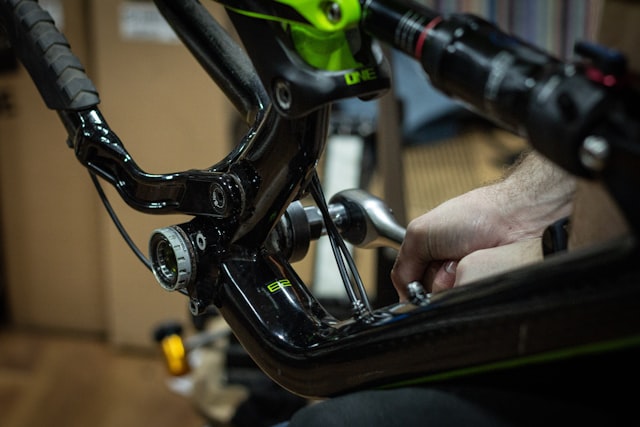
Mechanic working on bike components
Pedal Assist Sensors

12-Magnet Cadence PAS Sensor, Dual Hall (generic)

The 12-magnet cadence sensor is the standard pedal assist pickup on hub-motor kits: a magnet disc that slides onto the crank spindle and a small sensor bracket that mounts against the bottom bracket. Dual-hall versions sense pedaling direction, so assist stops when you back-pedal. Twelve magnets give faster response than the old 5- or 8-magnet discs. Most use a 3-wire lead with either a Julet waterproof plug or a small SM plug. Installation is the fiddly part: the crank usually has to come off, and on some bikes the disc needs to be the split type.

Best for: Replacing a broken or intermittent PAS disc on a kit bike · Upgrading a slow 5-magnet sensor to 12-magnet response · Builders who want assist to cut when back-pedaling

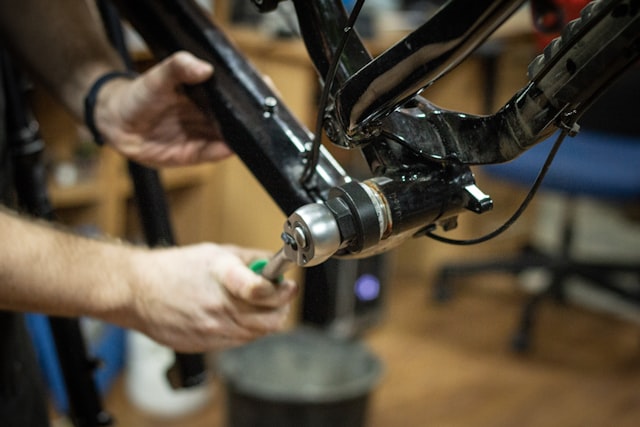
Hands-on bike repair work
Pedal Assist Sensors

8-Magnet Split-Ring PAS Sensor (generic)

The split-ring cadence sensor exists for one reason: it clips around the crank spindle without pulling the crank arm off, so it is the easy-install option for riders without a crank puller. The magnet disc splits in two and screws back together, and the sensor mounts on a bracket against the bottom bracket shell. With 8 magnets the response is a touch slower than a 12-magnet disc, but for neighborhood riding you will rarely notice. It is a solid fix for a broken PAS disc when you want the job done in fifteen minutes.

Best for: Riders without a crank puller · Quick PAS repairs on kit bikes · Frames where the standard disc does not clear the chainring

How to choose pedal assist sensors

Cadence or torque

Cadence sensors are cheap, generic and easy to swap. Torque sensors feel better but are system-specific. For a replacement, match what the bike has; for a conversion, cadence is the realistic option.

Magnet disc fit

The disc must slip over your crank spindle (square taper is common) and sit on the correct side of the bottom bracket, with a split-ring design if you do not want to pull the crank.

Magnet count

Five or six magnets respond slowly; eight to twelve respond sooner with less pedaling before power arrives. More magnets generally feel better on a cadence system.

Sensor type and mounting

Some sensors bolt to the bottom bracket shell, others clip to the cable; dual-hall sensors detect pedaling direction so backpedaling does not trigger assist. Check that the bracket fits your frame.

Connector

Most cadence sensors use a three-pin waterproof plug or bare wires carrying 5V, ground and signal; match what your controller has.

Compatibility notes

  • Cadence sensor pinouts are broadly similar but not identical across makers; confirm the three-pin plug and wire order on your bike rather than assuming.
  • Torque sensors are usually proprietary to the bike model; generic replacements rarely exist.
  • Magnet disc spindle bore must match your crank (square taper versus other standards), and disc orientation matters on some sensors.
  • Mismatched electrical parts can damage a controller or battery. If unsure, an E-Bike Assessment is the safe next step.

Installation considerations

  • Remove the battery before unplugging the sensor.
  • Set the gap between magnet disc and sensor to a few millimeters, with the sensor face square to the magnets; too large a gap is the most common cause of no assist.
  • Make sure the disc spins true with the crank and does not wobble into the sensor.
  • Test on a stand: pedal forward and the motor should engage within a partial crank turn and stop within a second of stopping.

Maintenance tips

  • Check the sensor gap and the cable routing near the crank after any drivetrain work.
  • Keep the magnet disc free of metal debris and mud.
  • If assist cuts out when you backpedal or stays on briefly after you stop, the sensor may be misaligned or a dual-hall unit wired for the wrong direction.

Frequently asked questions

How do I know if my pedal sensor is the problem?

If the throttle works but pedaling does nothing, and the display shows an assist level above zero, the sensor, its connector, or the magnet disc is the usual suspect. Look for a cracked disc, a sensor that has rotated away from the magnets, or a damaged cable first.

Cadence vs torque: which should I want?

Torque sensing feels more natural and saves battery because power follows effort. Cadence sensing is simpler and cheaper and fine for commuting. You generally cannot convert one to the other on a given bike.

Does the number of magnets matter?

Yes. More magnets mean the controller sees pedaling sooner, so assist arrives with less lag. Twelve-magnet discs are a popular upgrade over five or six.

My assist kicks in late or surges. Is the sensor bad?

Often it is just the gap or alignment, or the controller's assist settings. Reseat the sensor a couple of millimeters from the magnets and try again before buying parts.

Can I install a pedal sensor without removing the crank?

Split-ring magnet discs are made for that. Solid discs require pulling the crank arm with a crank puller, which is a simple job with the right tool.

More e-bike parts categories