Frisco E-Bike

E-Bike Parts

Wiring Harnesses

Main cables and extension harnesses for display, throttle and brake sensors.

The wiring harness is the bundle that connects the controller to the display, throttle, brake sensors and sometimes lights. On most hub-drive e-bikes it is a single main cable that splits into several waterproof plugs, often called a 1T4 or 1T5 cable after the number of branches. Harnesses fail from chafing where they pass the head tube, from water in a plug, from a pin pushed back during assembly, or from a crash that yanks a connector. The symptom is usually a blank display or a dead throttle. Because the harness runs through the most exposed part of the bike, it fails more often than the electronics it connects.

Identifying the right harness is about counting and matching. Note how many branches your main cable has, the pin count and gender of each plug (display plugs are commonly five pin, throttle three, brake sensors two, but pinouts vary), and the waterproof connector family, most often Julet or Higo style. Extension cables for individual lines let you add a longer stem or raise the bars; motor extension cables exist for the thick phase-and-hall line.

Because plug families look alike, the safest path is the bike maker's own harness or one specified by your controller and display maker. A harness that plugs in but has different pin assignments can cause odd behavior or damage. Mismatched electrical parts can damage a controller or battery; if you are not sure what you have, an E-Bike Assessment is the safe next step. A photo of each plug with the pins visible is the single most useful thing you can have when shopping.

2 products

Shop wiring harnesses

Open a product for our full notes, pros and cons, and the link to its Amazon listing. We do not sell or ship products ourselves.

Close-up of bicycle gears and chain
Wiring Harnesses

Julet 1T4 Main Wiring Harness (Display, Throttle, 2x Brake) (generic)

The 1T4 harness is the backbone of most Julet-connector kit bikes: one multi-pin plug into the controller splits into a 5-pin display lead, a 3-pin throttle lead and two 2-pin brake-sensor leads, all waterproof. When a connector corrodes or a lead gets crushed, replacing the whole harness is faster than repairing one branch. The trap is that 1T4 harnesses come in several pin counts at the controller end and with different lead lengths, so match the controller-side plug and count the pins before ordering. Take a photo of your old harness's plugs for comparison.

Best for: KT and similar kits with Julet waterproof connectors · Replacing a corroded or damaged main cable · Tidying up a conversion with bare-wire connections

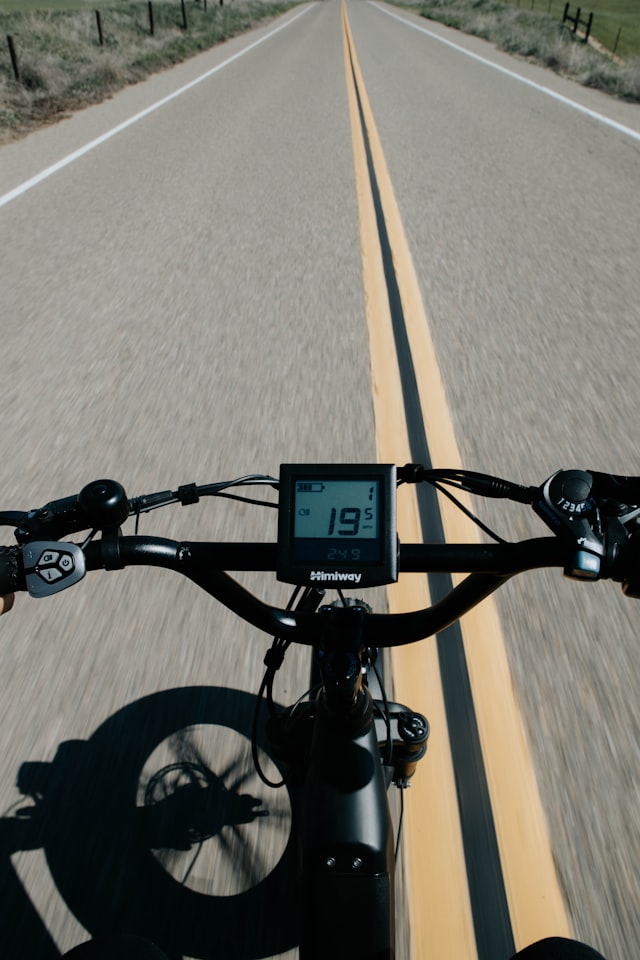
Electric bike handlebar and display detail
Wiring Harnesses

Julet 5-Pin Display Extension Cable, 30–60 cm (generic)

Raising the bars, fitting a longer stem or moving a display often leaves the cable an inch too short, and the Julet 5-pin extension is the fix. It is a male-to-female waterproof lead in the same keyed format as the display connector on most KT, Lishui and generic controllers. Lengths from 30 to 100 cm are sold; buy the shortest one that reaches so you are not stuffing loops of cable behind the head tube. The same 5-pin format is used by some throttles and lights, so double-check what the lead on your bike is actually feeding before you order.

Best for: Riders who raised the handlebars or changed stems · Cargo and long-tail conversions with long cable runs · Relocating the display to the center of the bar

How to choose wiring harnesses

Branch count and layout

Match the number of branches and what each connects to. A 1T4 cable commonly serves display, throttle and two brake sensors; some add a light branch.

Pin count and gender per plug

Count pins on each plug and note male versus female ends. Pin count alone is not a guarantee of matching pinout.

Connector family

Julet and Higo style waterproof plugs are the most common; they are similar but not always cross-compatible. Match what you have.

Length

Measure the run from controller to bars with slack for steering; extension cables come in set lengths.

Waterproofing

Look for sealed plugs with locking collars or proper O-rings; the head tube area gets wet.

Compatibility notes

  • Pin count and plug family do not guarantee matching pinouts; confirm the harness is specified for your controller and display on your bike.
  • Julet and Higo connectors are similar but confirm the exact style before assuming a fit.
  • Mismatched electrical parts can damage a controller or battery. If unsure, an E-Bike Assessment is the safe next step.

Installation considerations

  • Remove the battery and photograph every plug before disconnecting.
  • Align the plug keying and arrows before pushing together; never force a plug.
  • Route the harness with gentle bends, a drip loop at low points, and secure with zip ties away from the tire, disc and crank.
  • Test every function on a stand before riding.

Maintenance tips

  • Inspect cables where they flex at the head tube a couple of times a year.
  • Keep plugs seated and dry; a dab of dielectric grease on pins helps in wet climates.
  • Replace any cable with cracked insulation rather than taping it.

Frequently asked questions

What is a 1T4 cable?

A main harness with one plug at the controller end and four branches at the bar end, typically for the display, throttle and two brake sensors. 1T5 adds a fifth branch, often for lights.

My display is blank. Is it the harness?

Often it is a loose or corroded plug rather than the cable itself. Unplug and reseat each connector and look for bent or pushed-back pins before ordering a harness.

Can I use an extension cable to raise my handlebars?

Yes; single-line extensions for display, throttle and brake sensors are sold by pin count and connector style. Confirm the style matches your plugs.

Are Julet and Higo the same?

They are similar waterproof connector families and often mate, but not always. Compare photos of the plug housing and keying closely or buy the style your bike uses.

Can I splice a harness instead of replacing it?

For signal wires, a careful solder-and-heat-shrink splice can work, but on battery or phase wires, do not; if you are cutting wires near power, get a professional.

More e-bike parts categories