Frisco E-Bike

E-Bike Parts

E-Bike Motors

Replacement hub and mid-drive motors and conversion kits.

E-bike motors are tough. A well-kept hub motor will outlast the battery several times over, and most motor problems that look like a dead motor turn out to be a connector, a hall sensor wire, or the controller. But motors do fail: water gets past the seals, bearings wear, internal gears strip in geared hubs, and phase wires chafe where they exit the axle. Motors are also the heart of a conversion kit if you are electrifying a regular bike, and that is where most of the buying happens.

The first split is hub versus mid-drive. Hub motors sit in the front or rear wheel, are simple and affordable, and come as a complete laced wheel or as a bare motor to lace yourself. Within hubs, geared units are lighter, freewheel when unpowered, and punch above their weight at low speed; direct-drive units are heavier and quieter, can regenerate a little on braking, and drag slightly when coasting. Mid-drives sit at the bottom bracket, drive through the bike's gears, and climb better, but they wear chains faster and are a bigger installation job.

Whatever you buy must match the controller it will run on: voltage, current, and sensor wiring (hall-sensored or sensorless, and the connector on the motor cable). It also must physically fit the frame: dropout width, axle size, brake mount, and on a rear hub whether the bike uses a threaded freewheel or a cassette. Replacement motors are best bought as the exact same model, or as a kit with a matched controller. Mismatched electrical parts can damage a controller or battery; if you are not sure what you have, an E-Bike Assessment is the safe next step.

2 products

Shop e-bike motors

Open a product for our full notes, pros and cons, and the link to its Amazon listing. We do not sell or ship products ourselves.

Filter

Battery voltage

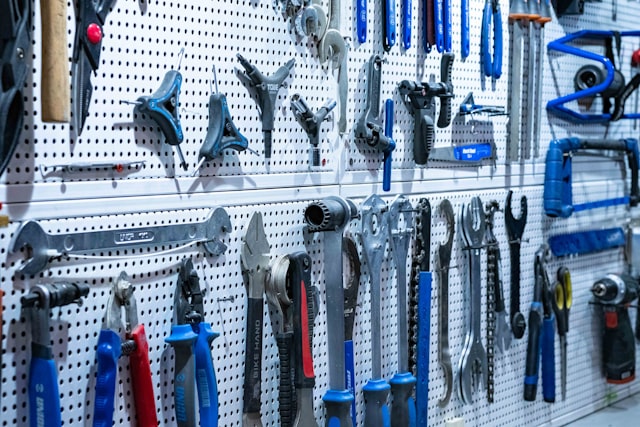
Tools hanging on a repair shop wall
E-Bike MotorsFeatured

Bafang BBS02B 48V 750W Mid-Drive Conversion Kit

The BBS02B is the mid-drive kit that turned thousands of ordinary bikes into e-bikes. It replaces the bottom bracket with a motor unit that drives the chainring, so it uses your gears and climbs far better than a hub motor of the same wattage. Kits bundle the motor, a chainring, cranks, display, throttle, brake sensors or cutoff levers, and a speed sensor; the battery is sold separately. Installation is a weekend job with a few special tools. It is not quiet under hard load and it is hard on chains, but it is the most proven budget mid-drive there is.

Best for: Converting a rigid or hardtail bike with a standard 68–73 mm threaded bottom bracket · Hilly commutes where a hub motor struggles · Riders who want gear-assisted climbing rather than raw throttle power

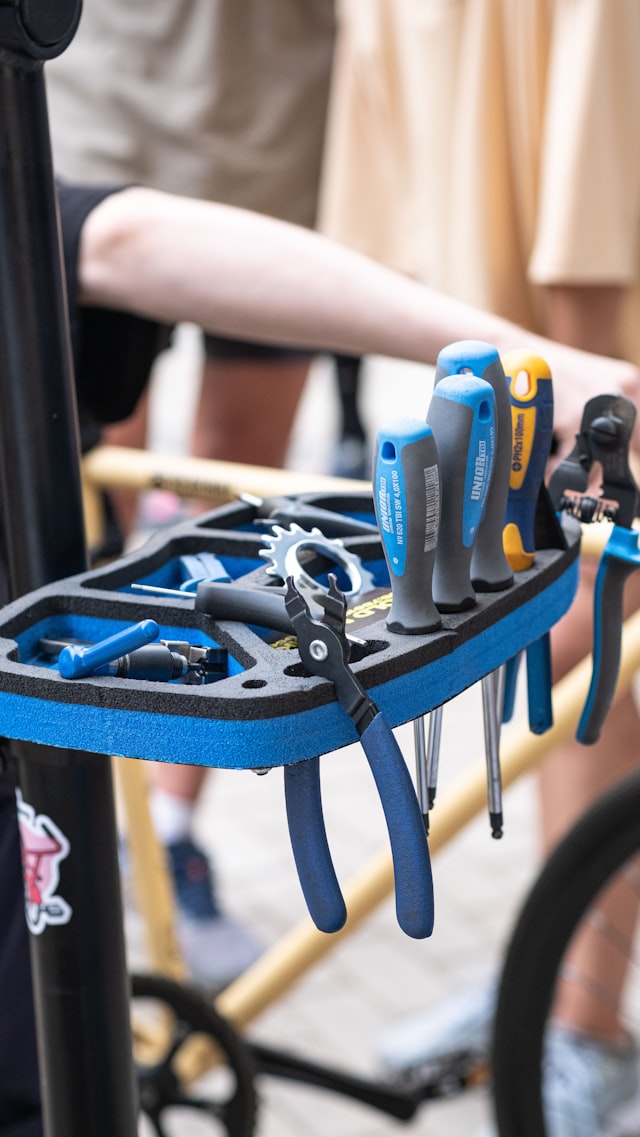
Bike tools organized on a workshop rack
E-Bike Motors

Bafang BBSHD 48V/52V 1000W Mid-Drive Conversion Kit

The BBSHD is the BBS02's bigger sibling: a 1000W nominal mid-drive with a beefier case, a 30A controller, and a reputation for taking abuse that the BBS02 would not survive. It is the pick for heavy riders, cargo hauls, steep terrain, and fat-bike conversions, and it is happy on 52V packs. The trade-offs are weight, a wider Q-factor at the pedals, and more chain wear than any hub motor. Like the BBS02, it ships as a kit without a battery and needs a threaded bottom bracket shell in the matching width.

Best for: Heavy riders and cargo conversions · Fat bikes (100/120 mm shell versions) and steep hills · Riders who want more headroom than a BBS02B

How to choose e-bike motors

Hub or mid-drive

Hub motors are simpler, cheaper and quieter to own. Mid-drives climb and haul better and keep weight centered, but they need a strong chain, more frequent drivetrain service, and a frame with a standard threaded bottom bracket.

Geared or direct-drive hub

Geared hubs (most 250W to 750W street bikes) are light and coast freely. Direct-drive hubs are heavier and suit sustained high speed and light regen. For stop-and-go commuting, geared is the usual pick.

Power rating and voltage

Match the nominal watt rating to what the controller and battery can deliver; a 1,000W motor on a 15A 36V system will not perform like 1,000W. Stay within the class limits for where you ride.

Fit: dropout width, axle and brake mount

Front hubs are usually 100mm; rear hubs are commonly 135mm, with 170mm or wider on fat bikes. Check axle flats, torque arm needs, and whether the motor has a 6-bolt disc mount.

Sensor and connector type

Hall-sensored motors with a combined phase-and-hall connector are the norm; the plug must match your controller or you will be splicing. Sensorless motors start less smoothly from a stop.

Freewheel or cassette on rear hubs

Many hub motors take a thread-on freewheel; some accept a cassette body. Your existing cogs and chain width determine which you need.

Compatibility notes

  • Motor voltage and current rating must suit the controller and battery; confirm on your bike before assuming a higher-watt motor is a drop-in.
  • Phase and hall connector styles and wire color conventions vary by maker; a motor that plugs in can still be mis-phased if the maker's conventions differ. Confirm with the wiring diagram.
  • Dropout width and axle diameter must match the frame; spreading a frame to fit a wider hub is not a safe shortcut.
  • Mismatched electrical parts can damage a controller or battery. When unsure, an E-Bike Assessment is the safe next step.

Installation considerations

  • Use a torque arm on front hubs and on any rear hub over roughly 500W, especially in aluminum dropouts; axle spin-out can tear the motor cable out.
  • Tighten axle nuts to the maker's torque spec and recheck after the first rides.
  • Route the motor cable with a drip loop and protect it where it exits the axle; chafe there is the number one cause of hall sensor failures.
  • Spin the wheel off the ground before riding and listen for grinding or rubbing; stop if the motor stutters, which usually means a phase or hall mismatch.

Maintenance tips

  • Keep the axle nuts torqued and the torque arm snug; check after any wheel removal.
  • Do not pressure wash the hub; water past the seals is what kills motors and hall sensors.
  • Geared hubs may develop a growl as nylon gears wear; that is a rebuild or replacement sign, not an emergency, but do not ignore grinding noises.

Advertisement

Frequently asked questions

How do I know my motor is actually dead?

Look for obvious damage first: a cut or melted motor cable, a grinding wheel that will not spin freely, or water in the hub. If the motor spins freely by hand and the cable looks fine, the controller, a connector, or a hall sensor wire is more likely, and an assessment will save you from replacing the wrong part.

Can I swap my 500W hub for a 1,000W one?

Physically maybe; electrically only if the controller and battery are rated for the current, and legally only if you stay within your class limits. A bigger motor on a small system just runs hotter without much gain.

Should I buy a bare motor or a laced wheel?

For most people a laced motor wheel in your rim size is simpler and safer; lacing a motor into an existing rim takes spoke length calculation and tensioning. Bare motors make sense when you need a specific rim.

Geared or direct-drive for hills?

Geared hubs generally have more torque at the low speeds where hill climbing happens, and they are lighter. Direct-drive shines at steady higher speeds on flatter ground.

Does a new motor need a new controller?

Not if the voltage, current rating, sensor type and connector all match your existing controller. If any of those differ, plan to buy them as a matched kit.

More e-bike parts categories