Frisco E-Bike

E-Bike Parts

Cassettes

7–12 speed cassettes; freehub standard must match your wheel.

A cassette is the cluster of cogs on the rear wheel of most mid-drive and many non-motor-hub e-bikes. It wears along with the chain, and when a new chain skips under power the cassette is usually worn too. Mid-drive bikes in particular chew through cassettes because the motor's torque goes through them; hub-motor bikes are gentler on them but more often use a thread-on freewheel rather than a cassette, which is a different part.

Before ordering, confirm you actually have a cassette: it slides onto a splined freehub body and is held by a lockring with a small notched face. A freewheel instead screws onto the hub and has no separate lockring. Then match two things: the speed count (7 through 12) must match your shifter and chain, and the freehub standard must match the cassette. Shimano HG-style bodies cover most 7 to 11 speed setups, with 7-speed cassettes needing a spacer on wider bodies; 12-speed Shimano uses Micro Spline and SRAM uses XD or XDR, and those are not interchangeable.

Range is the last choice. A wider cassette (say 11 to 42 or more) helps climbing on a mid-drive but needs a derailleur that can handle the largest cog. Steel cogs last longer than aluminum under motor torque, and e-bike specific cassettes exist with thicker teeth. Confirm your freehub standard and derailleur capacity on your bike before buying. Mid-drive riders in particular should budget for a cassette every second or third chain, which is far cheaper than letting the whole drivetrain wear together.

2 products

Shop cassettes

Open a product for our full notes, pros and cons, and the link to its Amazon listing. We do not sell or ship products ourselves.

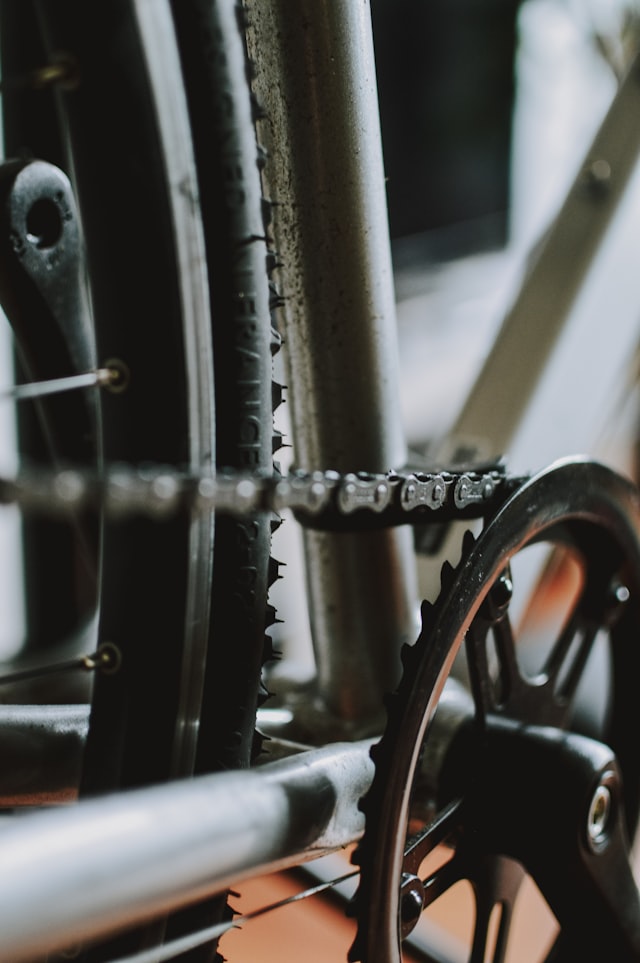
Close-up of bicycle gears and chain
Cassettes

Shimano CS-HG200-7 7-Speed Cassette 12-32T

Many 7-speed e-bikes with a cassette freehub (rather than a thread-on freewheel) use this exact Shimano part or a close equivalent, and it is the cheapest genuine Shimano replacement. The 12-32 range gives a usable low gear for assisted climbing and a top gear that will not spin out at class-2 speeds. Cassettes wear together with chains, so if your chain is stretched, replace both. Before ordering, confirm that your rear hub is a freehub with a lockring and splines; if your cogs thread onto the hub, you need a freewheel instead.

Best for: 7-speed e-bikes with a Shimano-style freehub · Replacing a worn cassette alongside a new chain · Budget drivetrain refreshes

Mountain bike drivetrain components
Cassettes

Shimano CS-HG400-9 9-Speed Cassette 11-34T

Mid-priced e-bikes frequently ship with a 9-speed Shimano Alivio or Acera drivetrain, and the HG400-9 in 11-34 is the standard replacement cassette. The 34-tooth low gear is a real help on hills if you prefer to keep the assist low, and the 11-tooth top is enough for fast flats. It is an inexpensive, durable cassette and the right partner for an e-bike-rated 9-speed chain. As with any cassette swap, confirm you have a freehub body, and budget for a lockring tool and chain whip if you do not have them.

Best for: 9-speed Shimano-equipped e-bikes · Riders who want a lower climbing gear than stock · Drivetrain refreshes with a new chain

How to choose cassettes

Speed count

Must match your shifter and chain. Count the cogs on your current cassette.

Freehub standard

Shimano HG-style for most 7 to 11 speed; Micro Spline for Shimano 12; XD or XDR for SRAM. Confirm what your wheel has.

Range and largest cog

Bigger top cog means easier climbing but must be within your derailleur's max cog spec.

Material

Steel cogs for longevity under motor torque; alloy saves weight but wears fast on an e-bike.

Lockring and tools

Cassettes need a lockring tool and chain whip to swap; make sure the cassette includes its lockring.

Compatibility notes

  • Cassette body standards are not interchangeable; confirm on your wheel whether it is HG, Micro Spline, XD or XDR.
  • 7-speed cassettes on an 8 to 10 speed HG body need a spacer behind them; confirm the spacer is included or already on the hub.
  • Largest cog must be within your derailleur's stated capacity; confirm on your bike.

Installation considerations

  • Remove the wheel, unthread the lockring with the correct tool while holding the cassette with a chain whip, and slide the old cassette off.
  • Line up the wide spline, stack the new cogs and spacers in order, and torque the lockring to spec (usually around 40 Nm).
  • Install a new chain at the same time and check shifting through every gear on a stand.

Maintenance tips

  • Replace chains early (at 0.5 to 0.75 percent wear) so the cassette lasts several chains.
  • Degrease and wipe the cogs when you clean the chain; grit accelerates wear.
  • Check the lockring is tight if you hear creaking from the rear hub.

Advertisement

Frequently asked questions

Do I have a cassette or a freewheel?

A cassette has a notched lockring in the center that you remove with a splined tool; a freewheel has no lockring and the whole cluster unthreads. Most hub-motor e-bikes use freewheels; most mid-drives use cassettes.

Can I use an 11-speed cassette on my 9-speed bike?

Not without changing the shifter, chain, and probably the derailleur, and the freehub must be long enough. Stay with your speed count unless you are upgrading the whole drivetrain.

Why does my new chain skip?

The cassette is worn to match the old stretched chain. Replace the cassette (and check the chainring) along with the chain.

What cassette range should I pick?

For flatter commuting a 11-32 or 11-34 is plenty; for hills or cargo on a mid-drive, 11-42 or wider helps, if the derailleur supports it.

How long does an e-bike cassette last?

With timely chain replacement, two to three chains' worth of riding; on a mid-drive ridden hard with a neglected chain, a single season.

More e-bike parts categories