Commuter E-BikesFeatured
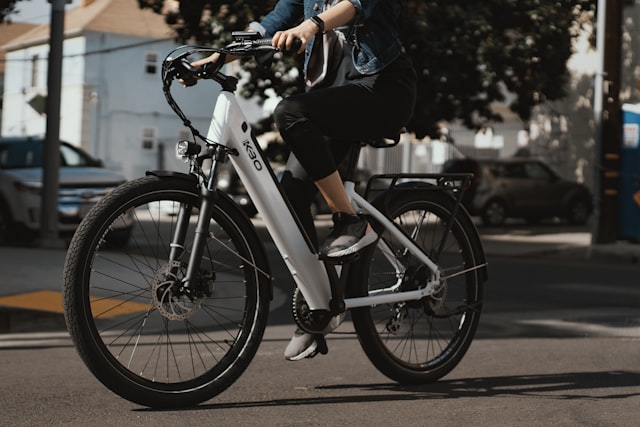
Aventon Level.2 Commuter E-Bike
Best for: Daily pavement commuting · Riders who want natural-feeling pedal assist · Anyone who wants fenders, rack and lights out of the box
View details & where to buy
Sold on Amazon
Comparison · updated 2026-08-22
Pedal assist needs some way to know you are pedaling. A cadence sensor does that with a ring of magnets on the crank and a small pickup; when the magnets pass, the controller turns the motor on at whatever level you have selected. A torque sensor measures how hard you are pressing the pedals, usually with a strain gauge in the bottom bracket or rear dropout, and scales motor output to match. The difference sounds academic until you ride both back to back, at which point it becomes the single biggest factor in whether an e-bike feels like a bike or a moped.
For years torque sensors were the mark of a premium bike, but since roughly 2022 they have spread to mid-priced hub-motor models from brands like Aventon, Ride1Up and Velotric. Cadence sensors are still the norm on budget bikes and many folding and fat-tire models. Both work, both are legal in all three classes, and both can be perfectly enjoyable. Here is how they differ in practice.
A
Detects that the cranks are turning and delivers a preset amount of power for the selected assist level. Cheap, simple, and easy to replace. Power comes on with a slight delay and does not respond to how hard you pedal.
B
Measures pedal force and scales motor output to your effort. Smoother, more intuitive and usually more efficient. Costs more, is harder to replace, and requires real pedaling effort to get full power.
| Criterion | Cadence Sensor | Torque Sensor |
|---|---|---|
| How it feels | On-off, like a switch. Ghost-pedal lightly and the motor still pushes at full assist level. Can surge at start and lag when you stop. | Proportional. Press harder, get more. Feels like a tailwind or stronger legs; most new riders find it more natural. |
| Starting from a stop | Half a pedal turn of delay, then a push. Can be unsettling in tight spaces or when starting on a hill. | Near-instant response to pressure on the pedal. Much easier to control at walking speed. |
| Effort required | Minimal. You can spin gently and let the motor do the work, which some riders with joint issues prefer. | You get out what you put in. Riders who want a workout like this; riders who want a free ride may not. |
| Range | Often shorter, because the motor runs at a fixed level regardless of need. | Often 10–25 percent longer from the same battery because assist drops when you are coasting lightly or spinning easily. |
| Cost | Adds little to a bike's price. Standard on most bikes under $1,200. | Adds real cost. Common on bikes from about $1,400 up and on nearly all mid-drives. |
| Replacement and repair | A generic magnet ring and pickup is inexpensive and easy to replace; many failures are a misaligned sensor. | Usually built into the bottom bracket or a proprietary part. Replacement requires a brand-specific part and sometimes dealer tools. |
| Low-speed handling | Tends to overshoot in parking lots and on multi-use trails; many riders drop to level 1 or use the throttle. | Fine control at crawl speeds, which matters on busy trails and around pedestrians. |
| Paired with a throttle | Very common combination. Throttle covers the start-up lag. | Common on US hub bikes, less so on mid-drives. Torque sensing reduces the need for a throttle but it is still handy. |
Advertisement
Pick a cadence sensor if budget is the priority, if you mostly want an easy ride with light pedaling, or if you are buying a bike that will see heavy throttle use anyway. Many riders with knee or hip issues specifically prefer cadence sensing because it lets them spin without pressure and still get full assist. Just spend a few minutes learning how your bike behaves from a stop, and consider riding a level lower in crowded areas.
Pick a torque sensor if you want the bike to feel like a bike, if you care about range, or if you will ride a lot around pedestrians where low-speed control matters. It is the more refined experience and usually worth the step up in price if you ride regularly. If your bike already has one and the assist has become jerky, inconsistent or absent, a torque sensor fault is one possible cause among several; an E-Bike Assessment can help you narrow it down before ordering parts.
Best for: Daily pavement commuting · Riders who want natural-feeling pedal assist · Anyone who wants fenders, rack and lights out of the box
Sold on Amazon
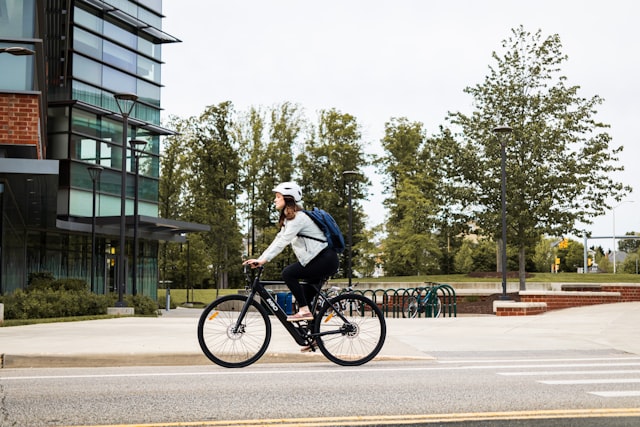
Best for: Faster suburban commutes · Riders who want fenders, rack and lights included · Value-focused buyers
Sold on Amazon
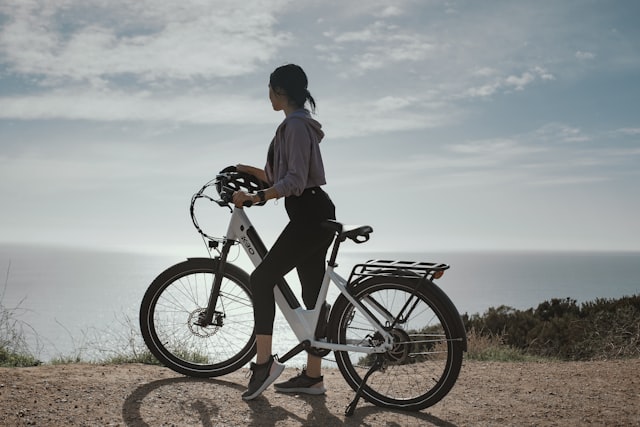
Best for: Riders who commute daily and want the best ride feel · Anyone who wants local dealer service · Longer and hillier commutes
Sold on Amazon
Best for: Replacing a dead controller on a KT-based conversion kit · Upgrading a noisy square wave controller to sine wave · Pairing with a KT LCD display
Sold on Amazon
Rarely in a practical way. Torque sensors are matched to specific controllers and bottom brackets, and the controller firmware must know how to interpret the signal. There are aftermarket torque-sensing bottom brackets for some DIY builds, but on a mainstream brand bike it is not usually worth attempting.
They give you power in proportion to your effort, so at a given assist level you will pedal a bit harder than on a cadence bike that delivers full power for any pedaling. Turn the assist level up and the difference mostly disappears, at the cost of some range.
There is always a short lag while the controller waits to see that the magnets have stopped passing. Half a second is normal. If it runs on for several seconds, the sensor may be misaligned or the brake cut-off may not be working, and both are worth checking.
Torque sensors give more power exactly when you push harder on a climb, which feels better and wastes less energy. A cadence bike climbs fine too; you just select a higher assist level and keep the cranks turning.
Not in our experience, but they are harder to diagnose and replace when they do fail, because they are usually integrated. A cadence sensor is a cheap part that any shop can swap.