Frisco E-Bike

E-Bike Parts

Brake Rotors

160/180/203 mm rotors — check mount type (6-bolt vs Centerlock).

Rotors take the heat that pads generate, and on an e-bike that is a lot of heat. A warped rotor ticks once per revolution and rubs; a worn-thin rotor brakes poorly and can crack; a rotor contaminated with chain lube squeals no matter how many pads you throw at it. Rotors are cheap relative to what they do, so replacing a suspect one is good practice, and moving to a larger rotor is one of the most effective brake upgrades on a heavy bike.

Two things define a rotor: diameter and mount. Common diameters are 160, 180 and 203mm (160 and 180 are typical on commuters, 180 and 203 on fat-tire and cargo bikes); measure across the rotor to confirm what you have, because going larger means the caliper must move outward with an adapter. The mount is either six-bolt, where the rotor bolts to a flange on the hub with six small bolts, or Centerlock, where it slides onto splines and is held by a lockring; the hub decides which you can use, though adapters exist.

Thickness matters too. Most new rotors are 1.8 or 2.0mm thick and makers publish a minimum, commonly around 1.5mm, below which the rotor should be replaced. Hub-motor wheels are almost always six-bolt, and the rotor has to clear the motor casing, so a rotor with a wide carrier or an unusual profile can rub the motor. Confirm on your bike that your chosen size is supported by the frame, fork and caliper adapters before ordering.

2 products

Shop brake rotors

Open a product for our full notes, pros and cons, and the link to its Amazon listing. We do not sell or ship products ourselves.

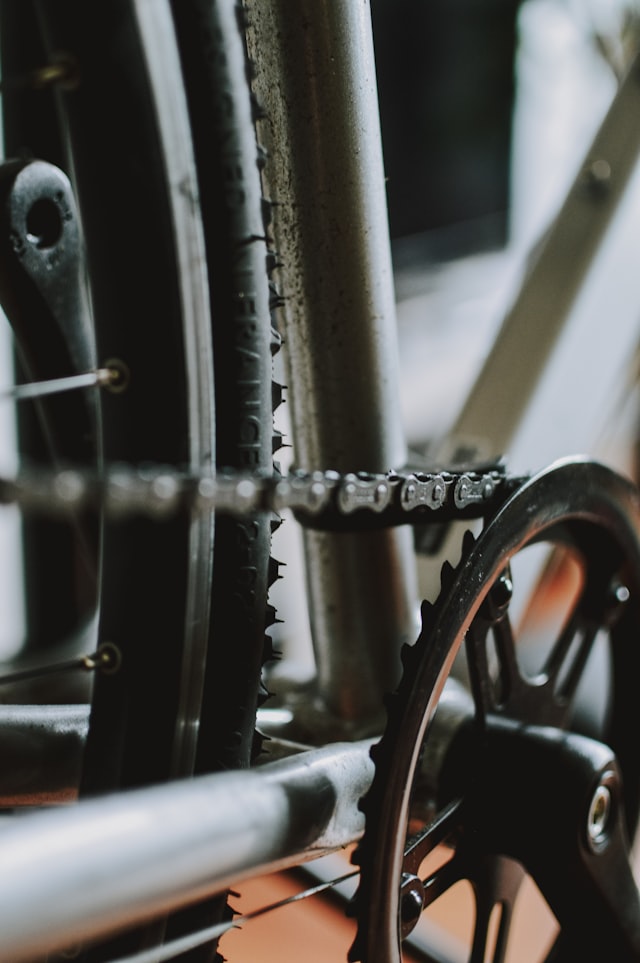
Close-up of bicycle gears and chain
Brake Rotors

203 mm 6-Bolt Disc Brake Rotor, Metallic-Pad Rated (generic)

Heavy, fast e-bikes benefit from big rotors, and 203 mm is the size many fat-tire and cargo bikes ship with or upgrade to. Generic stainless 203 mm 6-bolt rotors from brands like Tektro, Jagwire and a dozen unbranded sellers are widely sold; the useful ones are stamped from one piece of stainless, rated for metallic pads, and come with six bolts. Going up to 203 mm from a smaller rotor requires a caliper adapter and a frame or fork rated for it, so this is a like-for-like replacement for most buyers rather than an upgrade.

Best for: Replacing a warped 203 mm rotor on a fat-tire or cargo e-bike · Riders using sintered pads who need a metallic-rated rotor · Heavy riders who want maximum heat capacity

Hands-on bike repair work
Brake Rotors

Shimano SM-RT56 180 mm 6-Bolt Disc Rotor

The SM-RT56 is Shimano's workhorse 6-bolt rotor, found on piles of entry and mid-level bikes and sold everywhere as a replacement. The 180 mm size is a good match for the front of a commuter e-bike and is what many 160 mm-equipped bikes upgrade to for more stopping power. One important detail: the RT56 is specified for resin pads only, so if you run sintered metallic pads you should choose a different rotor. It is a plain stamped steel rotor without a cooling fin or alloy carrier, which is exactly why it is inexpensive and durable.

Best for: Replacing a bent or worn 6-bolt rotor on an e-bike with resin pads · Upgrading a front brake from 160 to 180 mm (with a caliper adapter) · Riders who want a Shimano-quality rotor at a low price

How to choose brake rotors

Diameter

Measure your current rotor across its widest point. Replace like-for-like unless you are also buying the correct caliper adapter for the new size and your frame and fork allow it.

Mount type

Six-bolt is standard on hub motors and most e-bikes; Centerlock needs a splined hub. Check the hub before buying. Six-bolt to Centerlock adapters exist but add stack height.

Thickness

1.8mm is common; 2.0mm rotors handle heat better and last longer on heavy bikes, but check caliper pad clearance if your old rotor was thinner.

Pad compatibility marking

Some rotors are stamped resin-only. If you run sintered pads, choose a rotor rated for them.

Construction

One-piece stainless rotors are the value pick. Two-piece rotors with alloy carriers shed heat better but can be bulkier near the hub, which matters for motor clearance.

Compatibility notes

  • Rotor size changes require a matching caliper adapter for your mount standard (post mount or IS) and confirmation that the fork or frame is rated for that size; confirm on your bike.
  • Six-bolt and Centerlock are hub-specific; check what your hub or hub motor has before ordering.
  • On hub-motor wheels, confirm rotor carrier clearance to the motor casing; thick carriers can rub.

Installation considerations

  • Clean the new rotor with isopropyl alcohol before fitting; shipping oils cause squeal.
  • For six-bolt, torque the bolts in a star pattern to the maker's spec (commonly around 6 Nm) and use the supplied bolts or thread locker.
  • Re-center the caliper after fitting and spin the wheel to check for rub before riding.
  • New rotors need bed-in with the pads; a dozen firm stops from moderate speed.

Maintenance tips

  • Check thickness with calipers once or twice a year; replace below the stamped minimum.
  • Keep lube and cleaners well away from rotors; wipe with alcohol if in doubt.
  • A slight warp can be trued with a rotor truing fork; a bad warp or a bluish heat-discolored rotor should be replaced.

Frequently asked questions

What size rotor does my e-bike have?

Measure straight across the rotor in millimeters. 160, 180 and 203mm are the common sizes; 140 and 220 exist but are rare on e-bikes. The size is sometimes printed on the rotor as well.

Can I just bolt on a bigger rotor?

Not alone. A larger rotor moves the braking surface outward, so the caliper needs an adapter for the new size, and the fork or frame must be rated for it. Confirm both before ordering.

Six-bolt or Centerlock?

Whatever your hub is. Hub motors and most online e-bikes use six-bolt; Centerlock appears on some branded hubs. Adapters exist to put a six-bolt rotor on a Centerlock hub, not the reverse.

Why does my rotor warp?

Heat from long descents or dragging brakes, a bent from transport or a fall, or uneven bolt torque. A gentle warp can be trued; a heat-blued rotor should be replaced.

How thin is too thin?

Most makers set the minimum at about 1.5mm for a rotor that started at 1.8mm; the figure is usually stamped on the rotor. Below that, replace it.

More e-bike parts categories