Frisco E-Bike

E-Bike Parts

Spokes & Nipples

Spokes sized for hub-motor flanges and heavy e-bike loads.

Broken spokes are common on e-bikes because the wheels carry more load and hub-motor wheels have large, stiff hubs that put unusual stress on short spokes. One broken spoke pulls the wheel out of true and loads its neighbors; left alone, more follow. Replacing a spoke or two is a reasonable home job; rebuilding a wheel is a job for someone with a truing stand, but knowing what to buy helps either way. Keeping a few spares in the right size with the bike turns a trip to the shop into a ten-minute fix.

Spokes are specified by gauge (thickness) and length. Standard bike spokes are 14 gauge (2.0mm); e-bike and motor wheels commonly use heavier 13 gauge (2.3mm) or even 12 gauge (2.6mm), and the nipple must match the gauge. Length is measured from the inside of the elbow to the end of the threads, in millimeters, and on a hub-motor wheel it is much shorter than on a regular wheel because the motor flange is so large. Measure an existing spoke or use a spoke calculator with your hub and rim dimensions.

Nipples come in brass or aluminum; brass is heavier but far more durable and is the right choice on an e-bike. Check that your rim's spoke holes suit the nipple size, and if several spokes have failed, plan on replacing all of them on that side, because the rest are likely fatigued. Confirm the spoke gauge and length on your own wheel before ordering; spoke specs vary from wheel to wheel even on the same bike model.

2 products

Shop spokes & nipples

Open a product for our full notes, pros and cons, and the link to its Amazon listing. We do not sell or ship products ourselves.

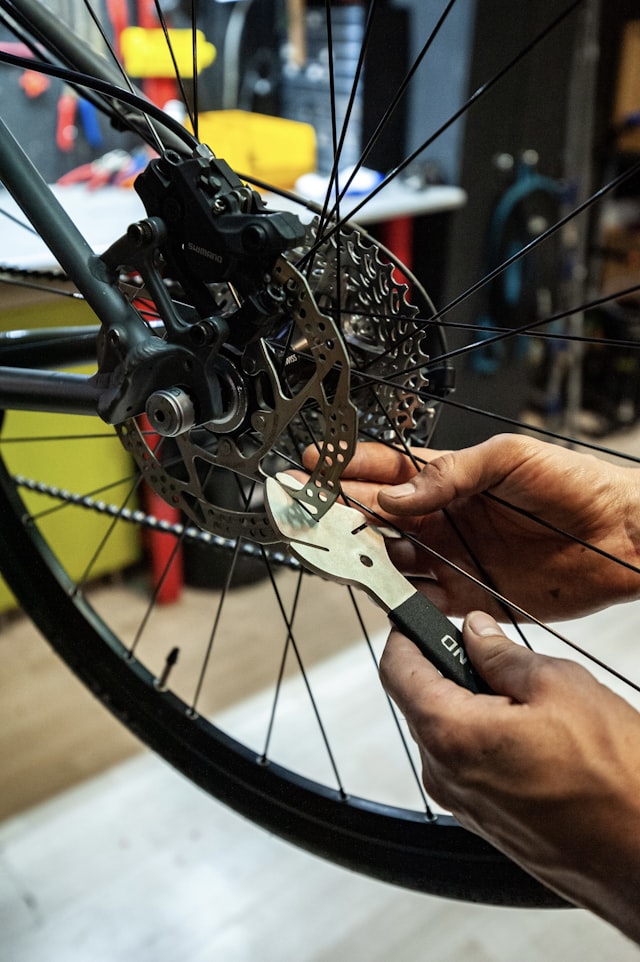
Bike maintenance in a workshop
Spokes & Nipples

13 Gauge Stainless Spokes with Nipples for Hub Motors, 36 Pack (generic)

Hub-motor wheels are laced with short, thick spokes — 13 gauge (2.3 mm) is the usual — because the big flange sits close to the rim and the wheel carries far more load than a normal bike wheel. When a spoke snaps, ordinary 14 gauge spokes from a bike shop are the wrong diameter for the motor flange holes and nipples. Generic 13g spoke packs come in several lengths; measuring an existing spoke from elbow to end is the only reliable way to order. A pack of 36 lets you replace one or re-lace the whole wheel.

Best for: Replacing broken spokes on a rear or front hub-motor wheel · Re-lacing a hub motor into a new rim · Keeping spares for a heavy e-bike

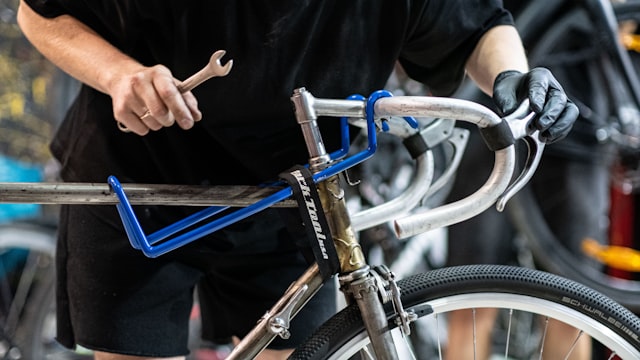
Mechanic handling a bicycle frame
Spokes & Nipples

Park Tool SW-7.2 Triple Spoke Wrench

A spoke wrench is the one tool that makes the difference between a wobbly wheel you ride around on and one you fix in the garage. Park Tool's SW-7.2 covers three common nipple sizes in a single hardened tool, which matters on e-bikes because hub-motor wheels often use larger nipples than the rest of the bike. It is not a precision truing stand, but combined with a zip tie on the fork as a gauge, it will get a rubbing wheel straight again. The three-in-one format is the right one to own if you only own one.

Best for: Truing a rubbing wheel at home · Tightening loose spokes on a new hub-motor wheel · Riders who want one wrench for several bikes

How to choose spokes & nipples

Gauge

Match your existing spokes: 14 gauge on many standard wheels, 13 or 12 gauge on hub-motor and heavy-duty wheels. Heavier spokes need nipples and rim holes sized for them.

Length

Measure a spoke from the inside of the elbow to the thread end, or calculate from hub and rim dimensions. Drive-side and non-drive-side lengths can differ on rear wheels.

Elbow and head style

Most wheels use J-bend spokes; some hub motors use straight-pull. Confirm what your hub takes.

Nipple material and size

Brass nipples for durability, sized to the spoke thread and the rim's spoke hole.

Quantity and spares

Buy a few extra in each length; spokes are cheap and having spares saves a trip.

Compatibility notes

  • Spoke length is specific to your hub and rim combination; confirm by measuring a spoke from your own wheel rather than from a generic chart.
  • Heavier-gauge spokes require matching nipples and may not fit hubs or rims drilled for 14 gauge; confirm on your wheel.
  • Straight-pull and J-bend spokes are not interchangeable.

Installation considerations

  • Remove the tire, tube and rim tape to reach the nipples; thread the new spoke through the hub following the same lacing pattern as its neighbors.
  • Bring the new spoke to similar tension as the others by plucking and comparing tone, then true the wheel in a stand or using the brake pads as a reference.
  • On hub-motor wheels, be careful routing the spoke past the motor cable and check that the spoke heads clear the casing.
  • Recheck tension after the first ride; new spokes settle.

Maintenance tips

  • Check spoke tension every few months by plucking; dull or loose spokes need attention before they break.
  • Keep tires properly inflated so rims do not take direct hits.
  • A drop of oil on the nipple threads during truing keeps them from seizing.

Advertisement

Frequently asked questions

How do I measure a spoke?

Remove a spoke and measure from the inside of the bend at the elbow to the very end of the threads, in millimeters. On rear wheels, measure one from each side because they may differ.

Why do motor wheel spokes break so often?

Short spokes on a large, stiff motor flange carry load at a steep angle, and the extra weight and torque of an e-bike add stress. Heavier gauge and proper, even tension are the fixes.

Can I ride with a broken spoke?

Briefly and gently if the wheel still clears the brake and frame, but replace it soon; each broken spoke overloads the next ones.

13 gauge or 14 gauge?

Match what the wheel has. If you are rebuilding a hub-motor wheel that keeps breaking 14 gauge spokes, moving to 13 gauge is a common fix if the hub and rim can take it.

Brass or aluminum nipples?

Brass for an e-bike. Aluminum saves grams but corrodes and rounds off more easily, which matters on a wheel you will be re-truing.

More e-bike parts categories