Frisco E-Bike

E-Bike Parts

E-Bike Brake Pads

Disc pads in the right shape and compound for heavier, faster e-bikes.

E-bikes are heavier and faster than the bikes their brakes were designed for, so pads wear quickly and matter more. A 65-pound fat-tire bike with a rider and a bag coming down to a stop sign from 20 mph puts far more heat into the pads than a regular bike, and budget resin pads can glaze, fade, and wear down in a few hundred miles. Replacing them is a 15-minute job, but it only works if you buy the pad shape that fits your caliper.

Pad shape is set by the caliper model, not by the bike brand. Shimano's common two-piston calipers use the B-type pad (B01S resin and its metallic siblings), while Shimano's Deore XT and SLX level calipers use the D-type, and its four-piston trail calipers use other shapes again. Tektro and TRP calipers use several shapes depending on model, Magura's two-piston MT calipers take one pad family and its four-piston calipers another, and budget Zoom and Logan calipers found on many online e-bikes have their own. The caliper model is usually cast or printed on the body; match it to the pad listing's fit chart and, if in doubt, pull a pad and compare its outline to the photo.

Compound is the other choice. Organic or resin pads are quiet and bite well when cold but fade with heat and wear fast; sintered metallic pads last longer and handle heat and wet better but can squeal and are harder on rotors; semi-metallic splits the difference and is a good default for e-bikes. Note that some rotors are stamped resin-only and should not be paired with sintered pads. Confirm on your bike before ordering, and if you are not sure which caliper you have, the model number is your starting point.
3 products

Shop e-bike brake pads

Open a product for our full notes, pros and cons, and the link to its Amazon listing. We do not sell or ship products ourselves.

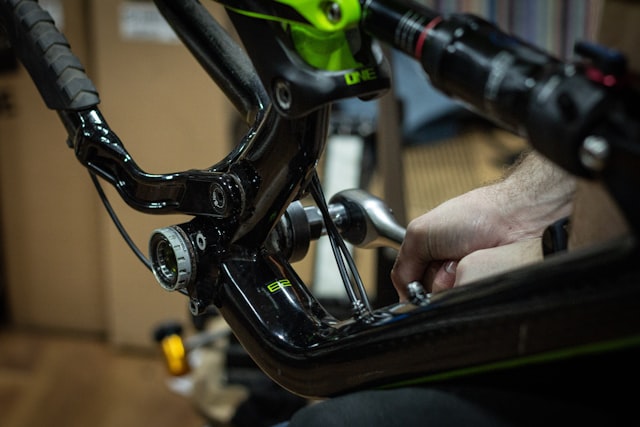
Mechanic repairing a bicycle
E-Bike Brake PadsFeatured

Tektro E10.11 Disc Brake Pads

If a budget or mid-priced e-bike has Tektro brakes, there is a good chance it takes the E10.11 pad: it fits many Tektro hydraulic calipers as well as the common Aries and Novela mechanical calipers. Tektro sells the E10.11 in resin/organic compound, and aftermarket makers offer semi-metallic and sintered versions in the same shape. Resin is quiet and bites quickly; metallic lasts longer on a heavy e-bike but can be noisier. Confirm the pad shape by checking the part number stamped on your old pads or by matching the outline before ordering.

Best for: E-bikes with Tektro HD-E350, HD-M275/M285/M290 style calipers and Aries/Novela mechanicals · Riders who want the OEM pad shape without guessing · Replacing worn resin pads at the first squeal

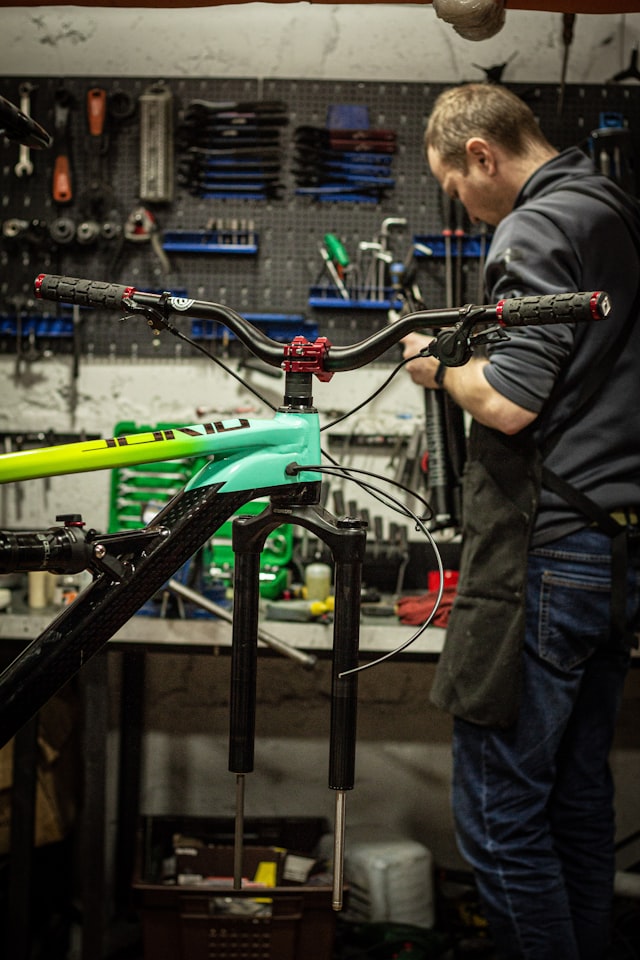
Mechanic working on bike components
E-Bike Brake Pads

Shimano B05S Resin Disc Brake Pads

The Shimano B-series resin pad (B01S, B03S, and the current B05S) fits the two-piston hydraulic calipers found on a huge number of commuter and entry-level mountain bikes, including many e-bikes with Shimano MT200, MT400 and Deore M6000-class brakes. Resin pads are quiet and have strong initial bite, which suits stop-and-go riding, but they wear quickly on heavy bikes in hilly areas. They are cheap enough to keep a spare set on hand. If your bike has four-piston Shimano calipers, you need the D-series pad instead.

Best for: E-bikes with Shimano MT200/MT400/MT500 and similar two-piston hydraulic calipers · Commuters who value quiet brakes · Quick, cheap pad replacement

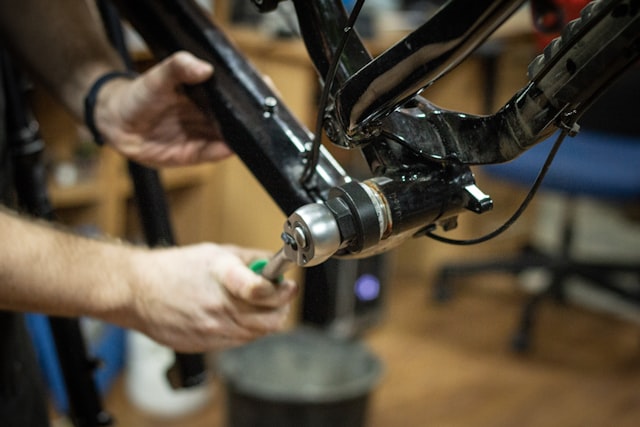
Hands-on bike repair work
E-Bike Brake Pads

Sintered Metallic Disc Brake Pads, Shimano B01S Shape (generic)

Heavy e-bikes chew through resin pads, and riders who are tired of replacing them every few months often move to sintered metallic pads in the same shape. Aftermarket sintered pads in the Shimano B01S outline fit the same two-piston Shimano calipers and a number of other brands that copied the shape. They last much longer, shrug off heat on long descents, and work better in the wet. The trade-offs are more noise, a little less bite when cold, and faster rotor wear; your rotor must not be one of the resin-only models.

Best for: Heavy riders and cargo e-bikes that eat resin pads · Hilly or wet riding · Anyone who wants longer intervals between pad changes

How to choose e-bike brake pads

Pad shape matched to the caliper model

Find the caliper model on the caliper body or in the bike's spec, then buy pads listed for that model. Shape families are not interchangeable, and two calipers from one brand can use different pads.

Compound for your riding

Semi-metallic is the sensible e-bike default. Sintered for hills, heavy loads and wet weather if your rotors allow it; resin for quiet, light use and resin-only rotors.

Backing plate material

Steel backing plates are the norm; aluminum plates save weight but transfer more heat into the caliper. Finned pads help on long descents but cost more and must still match the shape.

Spring and hardware included

Pads should come with the retention spring and ideally a new retaining pin or clip. Reusing a tired spring can cause rattle and uneven wear.

Quantity

Pads are sold per caliper (one pair). Most bikes need two pairs; buy a spare set while you are identifying the shape.

Compatibility notes

  • Pad shape is determined by the caliper model, not the bike brand; confirm the caliper model on your bike before ordering.
  • Sintered pads should not be used on rotors stamped resin-only; check the rotor marking.
  • Hydraulic and mechanical calipers from the same maker can use different pad shapes; do not assume.

Installation considerations

  • Remove the wheel, pull the retaining pin or clip, and note how the spring sits between the old pads before removing them.
  • Push the pistons back with a plastic tire lever or pad spreader, never a screwdriver on the piston face, and do not squeeze the lever with the pads out.
  • Fit the new pads with the spring, reinstall the pin, refit the wheel, and pump the lever until firm.
  • Bed in the pads: a dozen firm stops from moderate speed without locking up, on a quiet street, before relying on them.

Maintenance tips

  • Check pad thickness monthly; replace when the friction material is around 1mm or the wear indicator is reached.
  • Keep rotors and pads free of lube and spray cleaners; contamination is the most common cause of squeal and weak braking.
  • A little pad rub after a wheel change usually means the caliper needs re-centering, not new pads.

Frequently asked questions

How do I find out which brake pads fit my e-bike?

Identify the caliper model, not the bike model. It is usually printed on the caliper body; otherwise check the bike's spec sheet or pull a pad out and compare its outline to the listing's shape diagram.

Resin, semi-metallic or sintered for an e-bike?

Semi-metallic is the best all-round choice for heavier, faster bikes. Sintered for heat and wet if your rotors are not marked resin-only; resin for quiet light use.

Why do my new pads squeal?

Usually contamination (lube or cleaner on the rotor), pads not bedded in, or a caliper slightly out of alignment. Clean the rotor with isopropyl alcohol, re-center the caliper and do a proper bed-in.

How long do e-bike brake pads last?

Anywhere from a few hundred miles for resin pads on a heavy bike in hilly terrain to a couple of thousand miles for sintered pads on flat commutes. Check them monthly rather than guessing.

Do I need to bleed the brakes after changing pads?

Not normally. Push the pistons back before fitting new pads and pump the lever afterward. If the lever feels spongy after that, there is air in the system and a bleed is a separate job.

More e-bike parts categories