Most e-bikes are rated for 275 to 330 lb total, rider plus cargo, and that number is printed in the manual rather than the ad. If you weigh 250 lb or more, a bag and a rack load put you at or over the limit on a lot of popular bikes. The result is not usually a dramatic failure; it is broken spokes, a rear wheel that will not stay true, brake pads that wear out in a month, a motor that bogs on hills and a battery that goes half as far as the brochure says.
The bikes here are chosen because the manufacturer publishes a 400 lb or higher payload rating, or builds the frame and wheels for one, and pairs it with a 750W-class motor and hydraulic brakes. Several are fat bikes, because fat-bike wheels and frames are inherently stout. Two are cargo bikes, because cargo bikes are engineered to carry weight all day and make excellent single-rider bikes for larger people. None of these is light, and that is the point.
How we picked
Size and fit here means payload rating first, then frame stiffness, standover and whether a larger frame is available. Safety counts that payload margin, brake type and rotor size, wheel build (spoke count and gauge where published), and battery certification. Fit for purpose judges how well the bike does its job with a heavy rider on it: torque on hills, stability at speed and comfort.
Value compares payload-rated bikes to each other, not to lighter-duty bikes that cost less. Range is scored for a 250 to 300 lb rider, which shortens every bike's real-world number. Serviceability rewards dealers and owner communities, because a heavy rider will replace spokes, pads and tires more often. Weight is included for completeness; heavier bikes with stout frames score low here but that is an accepted trade.
| Pick | Size and fit | Safety | Fit for purpose | Value | Range | Serviceability | Weight |
|---|
| Velotric Discover 1 Step-Through E-Bike | 4/5 | 5/5 | 5/5 | 4/5 | 4/5 | 3/5 | 2/5 |
| Velotric Nomad 1 Fat Tire E-Bike | 4/5 | 5/5 | 5/5 | 4/5 | 4/5 | 3/5 | 1/5 |
| Lectric XPedition 2.0 Cargo E-Bike | 4/5 | 4/5 | 4/5 | 5/5 | 5/5 | 3/5 | 1/5 |
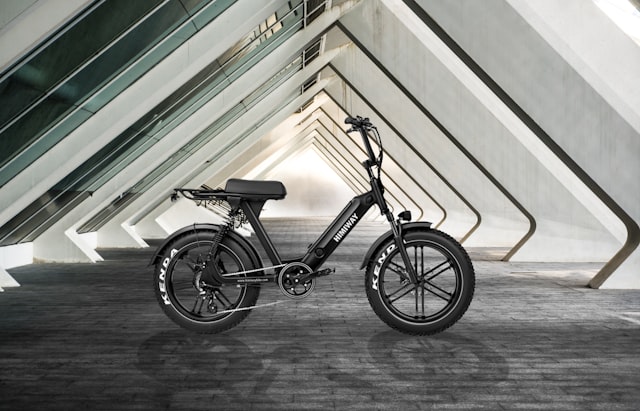
| Himiway Zebra Fat Tire E-Bike | 4/5 | 4/5 | 4/5 | 4/5 | 5/5 | 3/5 | 1/5 |
| Aventon Aventure.2 Fat Tire E-Bike | 4/5 | 4/5 | 4/5 | 3/5 | 4/5 | 4/5 | 2/5 |
| Aventon Abound Cargo E-Bike | 4/5 | 4/5 | 4/5 | 3/5 | 3/5 | 4/5 | 1/5 |
- Size and fit: Frame sizes offered, standover height, reach and how far the seatpost and stem adjust across rider heights.
- Safety: Braking power, lighting, payload rating relative to the use, and whether the battery and charger carry UL or similar certification.
- Fit for purpose: How well the bike suits the job this guide is about, judged on geometry, tires, motor tuning and the equipment it ships with.
- Value: What you get for the price band, counting what is included versus what you will have to add (fenders, rack, lights, larger battery).
- Range: Battery capacity relative to the bike's weight, tires and typical use. We score usable real-world range, not the brochure number.
- Serviceability: How easy it is to get parts, warranty help and local shop service. Dealer brands score high; email-only brands score low.
- Weight: Overall bike weight and what it means for handling, stairs, car racks and pedaling home with a dead battery. Lighter scores higher.
Reading weight ratings honestly
Payload or maximum load means rider plus everything on the bike: clothes, bag, rack load, child seat. A 440 lb rating with a 280 lb rider leaves 160 lb for gear, which is comfortable. A 300 lb rating with the same rider leaves 20 lb, which is a water bottle and a lock. Some brands publish a separate rack rating (often 50 to 60 lb); that is a limit on the rack, not additional capacity.
Staying well under the rating is what keeps wheels true and frames happy. If a brand does not publish a rating, assume it is 275 to 300 lb and shop elsewhere if you are near that. The bikes here publish 400 lb or more, or are built on frames and wheels designed for it.
Wheels and spokes: where heavy riders have problems
The rear wheel of a hub-motor e-bike carries the motor, most of the rider's weight and all of the drive torque. Under a heavy rider, a machine-built wheel with uneven spoke tension will pop spokes, usually on the drive side, within the first few hundred miles. Fat-bike and cargo-bike wheels have wider rims, often thicker 12 or 13 gauge spokes and shorter spoke lengths, which is why they hold up better.
Whatever you buy, have the wheels tensioned and trued by a shop before the first long ride and again after the first month. It is the single most cost-effective thing a heavy rider can do. Keep tires at the upper end of their pressure range; a pinch flat or a dented rim is a rider-weight problem as much as a tire problem.
Brakes, torque and hills
A 300 lb rider on an 80 lb bike at 20 mph needs real brakes. Hydraulic discs with 180 mm rotors are the minimum, and every pick here has hydraulics. Pads wear faster under heavy riders, so learn to check them and keep a spare set; sintered (metallic) pads last longer than resin. A motor cut-off in the brake levers is standard and should be working.
For torque, a 750W rear hub with a high peak rating is what gets a heavy rider up a grade without bogging. A torque sensor helps because it lets the motor respond to hard pedaling on a climb rather than a fixed assist level. A 500W motor with a strong peak (the Discover 1) is fine on flat-to-rolling ground; on real hills choose 750W. Mid-drive cargo bikes climb best of all but are a dealer purchase.
Range and battery for heavier riders
Expect 30 to 40 percent less range than the brochure number. A 672Wh battery that advertises 45 miles will realistically deliver 20 to 28 for a 280 lb rider at moderate assist, and less on throttle. That is why the 960Wh Zebra and the dual-battery XPedition are on this list, and why buying the larger battery option at purchase is worth it on any bike that offers one.
Heat makes it worse. In Texas summer a heavy rider on throttle is the hardest case for a battery and controller, so ride at moderate assist, keep the pack out of the sun and let a hot battery cool before charging.
Fit, saddle and frame style
A stiff frame matters more than frame style. Step-through frames on these bikes are built with oversized tubes and are fine for heavy riders; the Discover 1, Nomad 1, XPedition and Abound all offer low-step frames. What to avoid is a flexy step-through folder. Wide, well-padded saddles and a suspension seatpost make the biggest comfort difference; check the seatpost diameter before ordering one.
If you are also tall, read the tall-rider guide; the Aventure.2 and Nomad 1 high-step frames suit both. A double-leg kickstand rated for the bike's weight keeps a heavy bike upright while you load it.
Alternatives and who should skip this category
If you are between 250 and 300 lb and ride flat pavement, a well-built commuter like the Ride1Up 700 Series or Aventon Level.2 will work if you stay within its rating and keep the wheels tensioned. If you want dealer support and a mid-drive, the Tern GSD has a 440 lb gross weight rating and a Bosch Cargo Line motor, at a premium price. What we do not recommend is a budget 36V bike; the motor, brakes and wheels are not built for the job.
Already own an e-bike that is acting up?
Before replacing it, find out what is actually wrong. An E-Bike Assessment gives you a clear report and next steps.