Commuter E-BikesFeatured
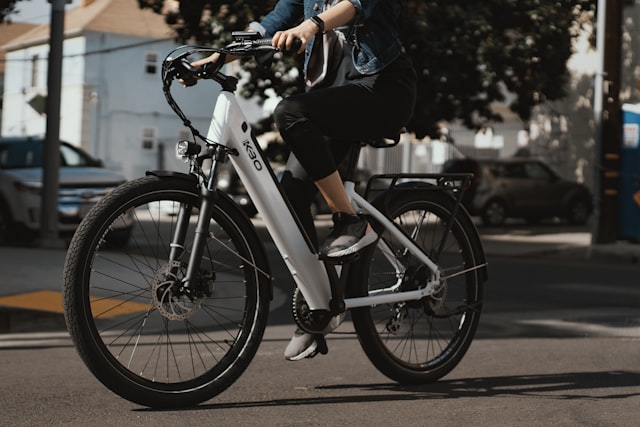
Aventon Level.2 Commuter E-Bike
Best for: Daily pavement commuting · Riders who want natural-feeling pedal assist · Anyone who wants fenders, rack and lights out of the box
View details & where to buy
Sold on Amazon
Comparison · updated 2026-08-22
Almost every e-bike sold today uses one of two motor layouts. A hub motor lives inside the center of the front or rear wheel and turns the wheel directly. A mid-drive motor sits at the bottom bracket, where the cranks attach, and pushes power through the chain and gears just like your legs do. That single design choice ripples through nearly everything else about the bike: how it climbs, how it feels when you pedal, how fast the chain wears, and how much it costs to fix.
Neither layout is universally better. Hub motors dominate the under-$2,000 market because they are cheap, simple and tolerant of abuse. Mid-drives dominate the premium and mountain categories because they use the bike's gears to multiply torque and keep the weight low and centered. This comparison lays out the practical differences we see riders run into, so you can match the motor to the riding you actually do rather than the riding a marketing page imagines.
A
A motor built into the wheel hub (usually rear). Simple, inexpensive, independent of the chain and gears, and available with a throttle on nearly every model. Geared hubs are compact and punchy; direct-drive hubs are heavier but nearly silent.
B
A motor at the crank that drives the chain. It multiplies torque through the bike's gears, keeps weight centered and low, and pairs naturally with torque sensors. Costs more, wears drivetrains faster, and makes wheel swaps easy.
| Criterion | Hub Motor | Mid-Drive Motor |
|---|---|---|
| Typical price band | Most bikes in the $600–$2,000 range use hub motors; it is the main reason budget e-bikes can exist. | Usually $1,800 and up; Bosch, Shimano, Brose, Yamaha and Bafang mid-drives add real cost. |
| Hill climbing | Fine on rolling terrain. Struggles on long, steep grades because it cannot downshift; it can overheat when lugged at low speed. | Excellent. Shift to an easy gear and the motor spins efficiently while the wheel turns slowly. Best choice for sustained climbs and heavy loads. |
| Ride feel | Feels like being pushed from behind. Cadence-sensor hubs surge on and off; torque-sensor hubs are smoother. | Feels like strong legs. Power tracks your pedaling effort, which is why most premium bikes go this route. |
| Throttle availability | Nearly universal on Class 2 hub bikes. Works even if the chain breaks. | Less common. Some Bafang kits and a few brands offer one; Bosch and most dealer systems do not. |
| Drivetrain wear | Motor bypasses the chain, so chains, cassettes and chainrings last roughly as long as on a regular bike. | Motor torque goes through the chain. Expect to replace chains and cassettes more often; e-bike rated chains help. |
| Flat tire repair | Rear flats mean unplugging the motor cable and wrestling a heavy wheel out. Front hubs are easier. | Wheels are normal bike wheels. A rear flat is a five-minute job. |
| Weight and balance | Weight sits in the wheel, usually at the back. Heavier unsprung mass; can feel tail-heavy when lifting. | Weight is low and central. Easier to lift onto racks and better handling on rough ground. |
| Efficiency and range | Good on flat ground at steady speeds. Less efficient when climbing slowly or starting and stopping constantly. | Generally more efficient across mixed terrain because it stays in its happy RPM range. Often 10–30 percent more range from the same watt-hours. |
| Repair and parts | Generic parts are plentiful. A replacement geared hub wheel is inexpensive and can be swapped at home or by a shop. | Proprietary systems need brand service tools and dealer software. Bafang kits are the exception. |
| Noise | Geared hubs have a faint whine; direct-drive hubs are almost silent. | Audible motor whine under load, louder on some brands than others. |
Advertisement
Pick a hub motor if you ride mostly flat to rolling terrain, want a throttle, are on a budget, or value simple, cheap repairs over refinement. A good geared rear hub with a torque sensor is more than enough for most North Texas commuting and neighborhood riding, and the savings can go toward a better lock, lights and a helmet. Hub motors are also the sensible choice if you plan to do your own maintenance, since almost every part is generic.
Pick a mid-drive if you climb real hills, carry heavy loads (cargo bikes, child seats, bigger riders), ride trails, or simply want the most natural pedaling feel and are willing to pay for it. Budget for drivetrain wear and plan on dealer service for proprietary systems. If your e-bike already has one of these and it is behaving strangely, the E-Bike Assessment at friscoebikerepair.com is a sensible first step before you start unplugging things.
Best for: Daily pavement commuting · Riders who want natural-feeling pedal assist · Anyone who wants fenders, rack and lights out of the box
Sold on Amazon
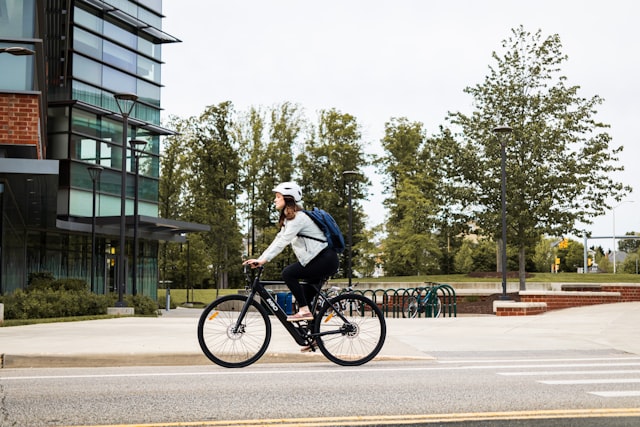
Best for: Faster suburban commutes · Riders who want fenders, rack and lights included · Value-focused buyers
Sold on Amazon
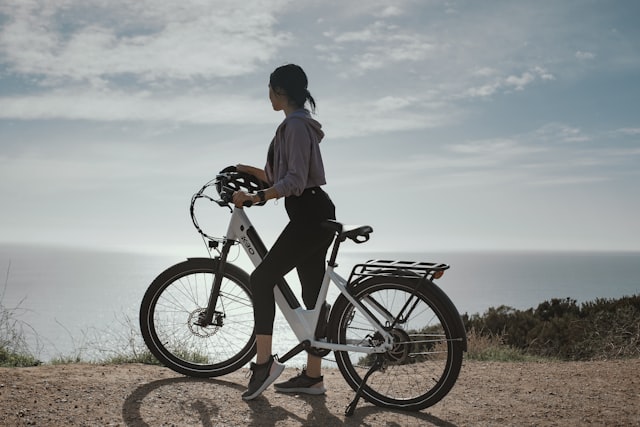
Best for: Riders who commute daily and want the best ride feel · Anyone who wants local dealer service · Longer and hillier commutes
Sold on Amazon
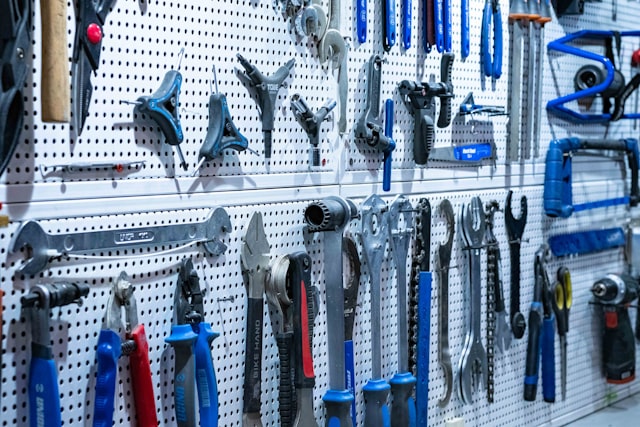
Best for: Converting a rigid or hardtail bike with a standard 68–73 mm threaded bottom bracket · Hilly commutes where a hub motor struggles · Riders who want gear-assisted climbing rather than raw throttle power
Sold on Amazon
No. Nominal watt ratings overlap heavily, and a 750W hub will out-accelerate many 250W mid-drives on flat ground. The mid-drive advantage is torque multiplication through the gears, which matters on hills and under load rather than on the flat.
Only if the motor system supports it. Bafang BBS kits accept a throttle; most Bosch, Shimano and Yamaha systems do not, and adding one can void the warranty or change the bike's legal class. Check the manufacturer before buying parts.
Mid-drives handle sustained climbing with a heavy load better because they can use low gears. On flat ground a 750W geared hub is perfectly capable. For riders over about 250 lb on hilly routes, a mid-drive or a strong hub paired with a big battery is the safer bet.
They are usually easier. A geared hub motor wheel is a commodity part that many shops can replace, whereas a failed mid-drive often needs a brand-specific replacement unit. The catch is that hub wheels are heavy and the motor cable must be unplugged to remove them.
Yes, noticeably. The motor adds its torque to yours through the same chain, so chains stretch sooner and cassettes wear faster. Using an e-bike rated chain, keeping it lubricated and easing pedal pressure while shifting all help.