LCD/LED displays and replacement screens matched to your controller protocol.
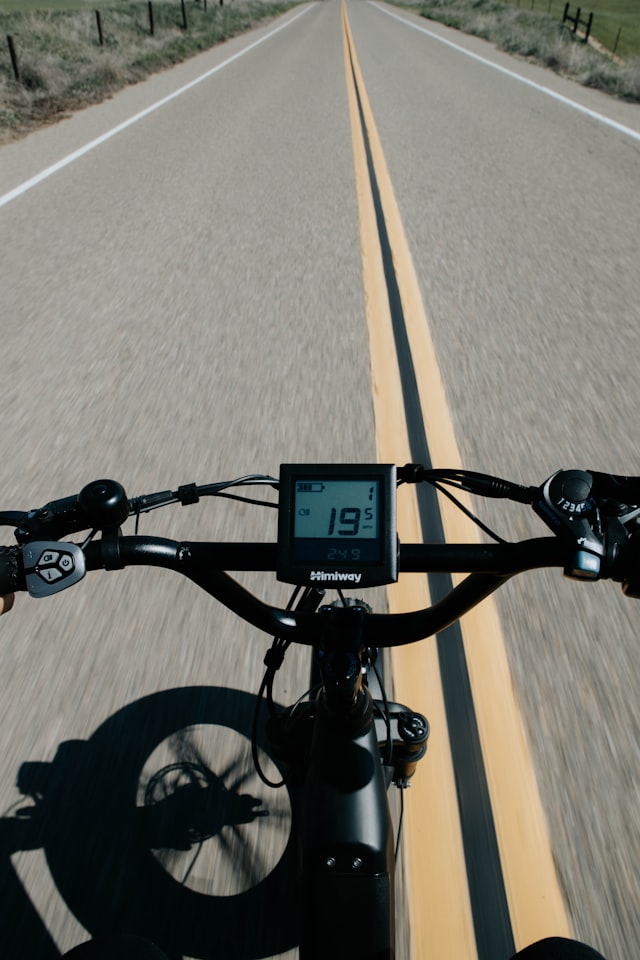
The display is the part you look at most and the part that gets hit first in a crash or a garage tip-over. Cracked screens, faded LCDs from Texas sun, water behind the glass, and buttons that stop responding are all common, and a replacement display is usually a simple swap if you buy the right one. The problem is that displays are not interchangeable the way handlebar grips are: the display talks to the controller over a serial protocol, and the two have to speak the same language.
Every display has a maker (KT, Bafang, Lishui, King-Meter, and many house brands), a model number, a connector type, and a protocol. The model is usually printed on the back or inside the battery cover; the connector is typically a five-pin waterproof plug or a bare-wire pigtail; and the protocol is whatever the controller firmware expects. Same maker does not guarantee compatibility, because some makers ship both UART and CAN versions of the same display model. When the display is wrong you usually get a blank screen, a scramble of segments, or an error code rather than damage, but it is still a wasted purchase.
If you are replacing a broken stock display, the bike maker's own replacement or the exact same model number is the clean answer. If you are changing controllers, buy the display the controller maker recommends, and if you are building from scratch, choose the pair together. Displays also set system behavior (wheel size, speed limit, assist levels, sometimes voltage) through their settings menus, so keep the manual. Mismatched electrical parts can damage a controller or battery; when you are unsure which display your bike uses, an E-Bike Assessment is the safe next step.