Frisco E-Bike

E-Bike Parts

Connectors & Plugs

XT60/XT90, Anderson, Julet/Higo waterproof connectors and battery discharge plugs.

Connectors are where e-bike electrical problems live. A discharge plug that has overheated, a waterproof signal plug with a corroded pin, a charge port with a bent center pin: all of these look like a dead battery or controller until you find them. Knowing what connector families exist and which your bike uses lets you buy the right replacement, or at least describe the problem accurately. Most connectors cost a few dollars, and having the right spares on hand makes a repair possible the same day.

Power connectors carry battery current. XT60 and XT90 are yellow plastic plugs rated for roughly 60 and 90 amps continuous; XT90 has an anti-spark version for plugging a battery into a controller. Anderson Powerpole connectors are modular housings rated by contact size and are common on older kits and DIY builds. Many factory batteries use proprietary slide-plate contacts instead. Signal connectors carry low-voltage signals: the Julet and Higo families of round waterproof plugs, with two to nine pins, cover throttles, brake sensors, displays, pedal sensors and the motor line.

Replacing a power connector means soldering or crimping on live battery leads, which is not a beginner job and is dangerous if done wrong; replacing a signal plug is more approachable but still means matching pin count and order. Mismatched electrical parts can damage a controller or battery; if you are unsure which connector you have or how to replace it safely, an E-Bike Assessment is the safe next step. For signal plugs, a pin extractor and the correct crimp contacts let you rebuild a damaged plug rather than replacing a whole harness.

1 products

Shop connectors & plugs

Open a product for our full notes, pros and cons, and the link to its Amazon listing. We do not sell or ship products ourselves.

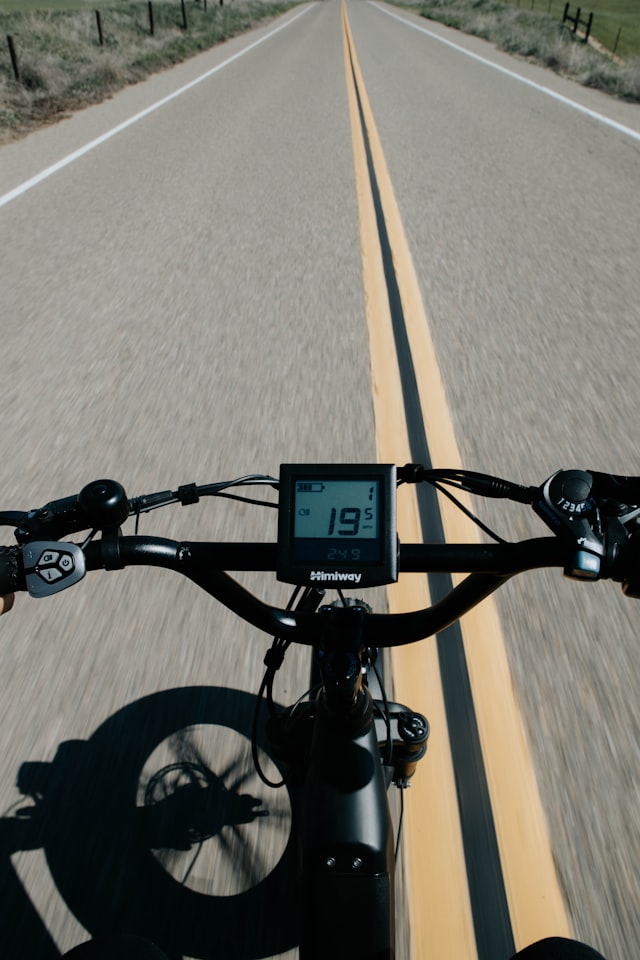
Electric bike handlebar and display detail
Connectors & Plugs

Julet Waterproof Connector Set, 2/3/4/5/6-Pin Pigtails (generic)

Julet (and the near-identical Higo) round waterproof connectors are the signal plugs used across kit bikes for throttles, brake sensors, PAS, displays and lights. A pigtail set gives you male and female leads with short wire tails in the common pin counts, so you can re-terminate a component that came with bare wires or splice in a matching plug after a connector breaks. They are not crimp-it-yourself connectors; you solder or crimp the wire tails to your component, then heat-shrink. Match the pin count and gender to the plug on the other side.

Best for: Re-plugging a throttle, brake or PAS lead with a broken connector · Adapting bare-wire components to a Julet harness · Kit builders keeping a selection on hand

How to choose connectors & plugs

Family and size

Identify by shape and markings: XT60, XT90, XT90-S (anti-spark), Anderson Powerpole, or a round waterproof signal plug and its pin count.

Current rating

Power connectors must be rated above the controller's peak current. XT60 is fine for most street bikes; XT90 for high-current builds.

Gender and pin count

Male and female halves are sold separately or in pairs; signal plugs need matching pin count and keying.

Anti-spark

For a battery-to-controller connection, an anti-spark XT90-S or a pre-charge resistor prevents the spark that pits contacts over time.

Wire gauge and heat shrink

Match wire gauge to the connector and include heat shrink; a good connector on thin wire is still a weak link.

Compatibility notes

  • Power connector families are not interchangeable; confirm what your battery and controller use before buying.
  • Polarity is not standardized across brands even within one connector family; confirm on your bike with a multimeter before plugging in any adapted connection.
  • Signal plug pinouts vary by maker despite identical housings; confirm on your bike.
  • Mismatched electrical parts can damage a controller or battery. If unsure, an E-Bike Assessment is the safe next step.

Installation considerations

  • Disconnect and remove the battery before any connector work; for battery-side leads, work one wire at a time and insulate the other.
  • Solder XT-style connectors with the halves mated to keep pins aligned; crimp Anderson contacts with the proper tool.
  • Verify polarity with a multimeter before connecting anything to the controller.
  • If the job involves cutting into battery wiring, stop and get a professional; the risk is not worth it.

Maintenance tips

  • Check power connectors for discoloration or melting; replace at the first sign.
  • Keep signal plugs seated, dry and lightly greased with dielectric grease.
  • Avoid repeatedly plugging and unplugging under load; it wears contacts quickly.

Frequently asked questions

What connector is on my e-bike battery?

Look at the plug on the battery lead or base. Yellow rectangular plugs are XT60 or XT90; modular colored blocks are Anderson Powerpole; many factory packs use a flat slide contact that is not replaceable with a generic part.

Can I change the connector on a new battery to match my bike?

Technically yes with soldering skills and correct polarity, but a mistake can short the pack. Unless you are experienced, have a shop do it or get an assessment first.

Are Julet and Higo connectors the same?

They are similar families of waterproof signal plugs and often mate, but not always, and the pinouts differ by maker. Match photos closely and confirm pin order.

Why did my connector melt?

Loose contact, corrosion, or current above its rating. Replace it with a correctly rated connector and fix the cause; a melted plug is a fire warning.

What is an anti-spark connector?

A version (like XT90-S) with a resistor that pre-charges the controller's capacitors so plugging the battery in does not arc. It protects contacts on connections you make often.

More e-bike parts categories