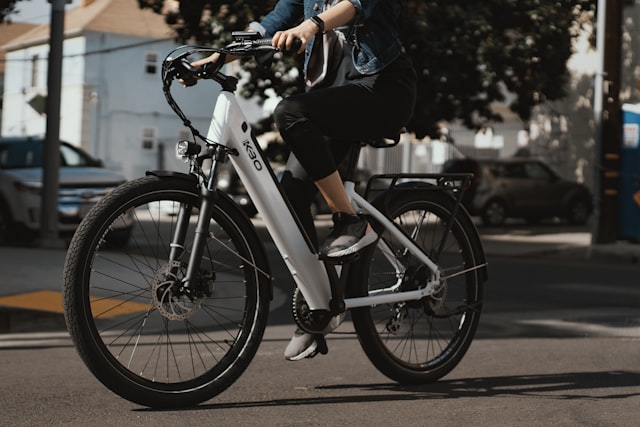
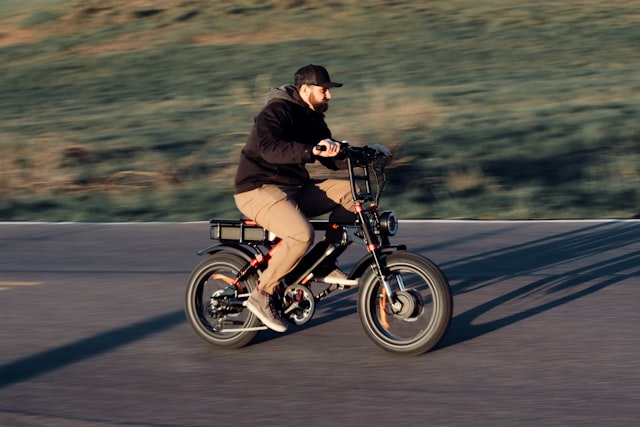
Efficient, comfortable bikes for daily rides to work, campus or errands.
A commuter e-bike has one job: get you to work, class or the grocery store reliably, day after day, without leaving you sweaty or stranded. That sounds simple, but it pushes the design in a specific direction. You want a fairly upright position so you can see traffic, tires in the 2 to 2.4 inch range that roll efficiently but still soak up chip-seal and curb cuts, and the boring stuff included from the factory: full fenders, a rear rack, integrated lights that run off the main battery, and a kickstand that does not fold under a loaded pannier.
Most commuter e-bikes sold online use a 500W to 750W rear hub motor with a 48V battery somewhere between 500 and 700 watt-hours. That combination gives a realistic 25 to 45 miles at moderate assist, which covers the vast majority of round-trip commutes in Frisco, Plano or McKinney with margin to spare. Cadence sensors are common at lower prices and feel like an on/off switch; torque sensors cost more but respond to how hard you pedal, which makes stop-and-go riding smoother and stretches range. Mid-drive motors show up on premium commuters and shine on hills, but North Texas is flat enough that a good hub motor is rarely a limitation.
What separates a commuter you keep from one you sell is how it holds up. Hydraulic disc brakes stop a 60-pound bike plus rider and bag with far less hand effort than mechanical calipers, and they need less adjustment. Look for a Class 2 or Class 3 designation that matches how fast you actually need to go, a weight rating that comfortably covers you plus cargo, and a brand that sells replacement chargers, batteries and brake pads. If a bike you already own has started cutting out, losing range or throwing errors, an E-Bike Assessment can help you figure out what is wrong before you spend money on a replacement.