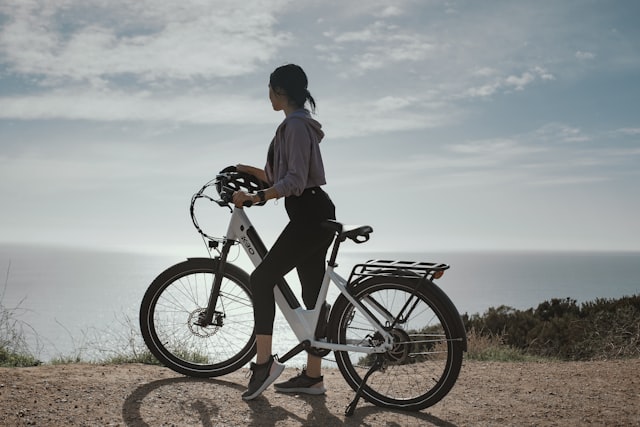
Under $1,500 is where you stop compromising on the basics. Full-size commuters with 750W motors, 720Wh batteries, hydraulic brakes and complete kits live here, and so do the first torque-sensor bikes from direct brands. The difference between this band and the one below is mostly frame size, battery capacity and finish; the difference between this band and the one above is mostly dealer support and a torque sensor on a full-size commuter.
Our picks cover the main uses: a fast complete commuter, a comfortable first e-bike with a high payload rating, a folding fat bike, a full-size fat bike with a torque sensor, a wide-tire hybrid for mixed surfaces, a real lightweight, and a long-range folder. Nearly all are direct-to-consumer brands with online support, which is the trade you make for this much bike at this price.
What this band buys you over the one below
Three things. First, full-size frames with 26 or 27.5-inch wheels and 48V systems, which ride better than small-wheel folders on real roads. Second, bigger batteries: 670 to 770Wh is normal here versus 500 to 600Wh below. Third, the first torque-sensor bikes from direct brands, which change how the bike feels at every stop.
What it does not usually buy is a dealer. Ride1Up, Velotric, Heybike, Lectric and Engwe all sell direct with online support. Aventon is the exception with a dealer network, which is part of why the Soltera.2 makes this list despite modest power.
Commuter, fat bike or folder: pick the tool first
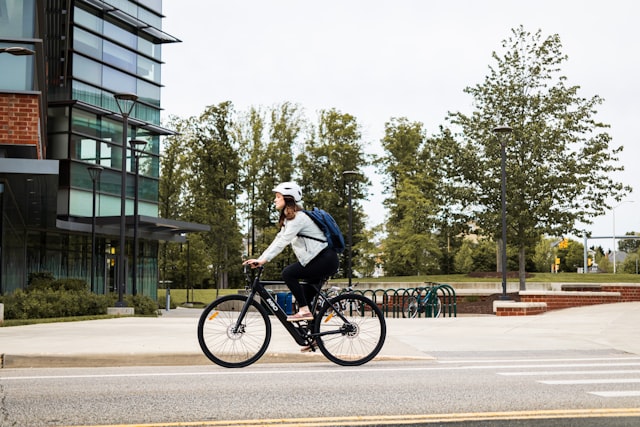
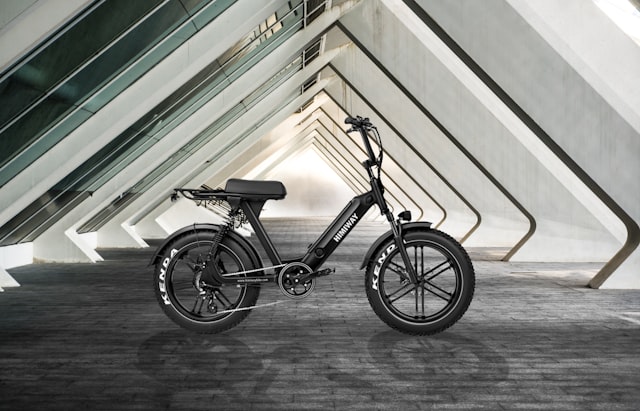
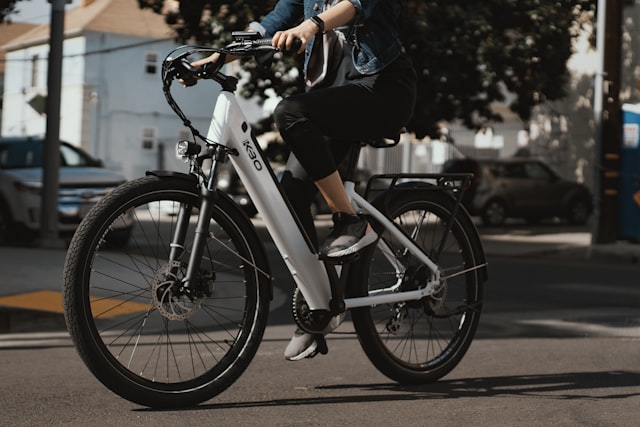
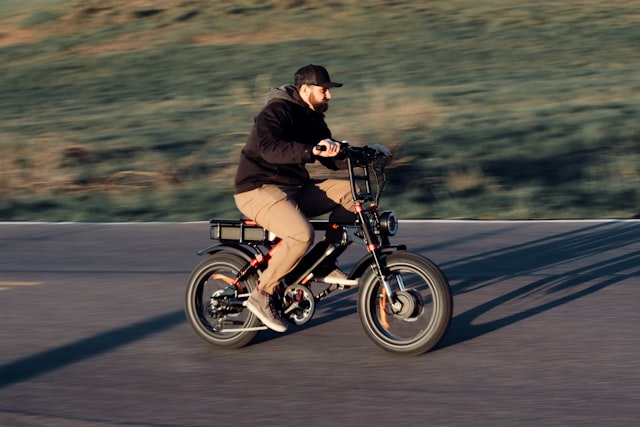
The bikes here are not interchangeable. A commuter like the 700 Series rolls fast and far on pavement and is a chore on loose gravel. A fat bike like the XPeak 2.0 is planted on dirt and sand and costs range and speed on pavement. A folder like the Mars 2.0 fits in a trunk and rides rougher on bumps. Start from where you will ride 80 percent of the time and pick from that group.
If you genuinely split time between pavement and gravel, the Turris with its 2.4-inch tires and suspension fork is the honest compromise: quicker than a fat bike, more comfortable than a commuter.
Payload ratings and rider weight
Most bikes in this band are rated for 300 to 330 lb total, rider plus cargo. Velotric's 440 lb rating on the Discover 1 stands out, and it is one reason that bike is our first-time pick for larger riders. If you are near a bike's limit, look closely at spoke count and gauge, brake rotor size and whether the rack is rated for what you plan to carry. Our heavy-rider guide covers this in detail.
Payload also affects range. A 250 lb rider on a 70 lb fat bike will see noticeably less range than the brochure number, and more at higher assist. Size the battery for the rider you are, not the one in the ad.
Online support and the local shop question
Buying direct means warranty work starts with an email and photos, and parts arrive by mail. That is fine for most owners, but decide in advance what you will do when something goes wrong. Call a couple of local shops and ask whether they will service direct-to-consumer e-bikes; many will do mechanical work and some will do electrical diagnosis. If nobody local will touch it, an E-Bike Assessment can point you to the right next step.
Brands with large owner communities (Lectric, Ride1Up, Rad) are easier to live with long term because someone has already solved your problem and the part is in stock.
Alternatives and who should skip this category
If you want a torque sensor on a full-size commuter, a dealer network, and better finish, the Aventon Level.2 in the under-$2,500 band is the natural step up. If you need to carry kids or cargo, the Lectric XPedition 2.0 is the cargo value pick and lives a little above this band. And if you weigh over 250 lb, start with the heavy-rider guide rather than shopping by price.
Already own an e-bike that is acting up?
Before replacing it, find out what is actually wrong. An E-Bike Assessment gives you a clear report and next steps.