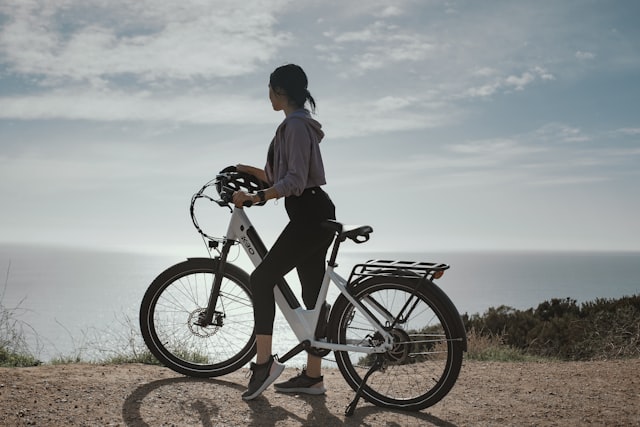
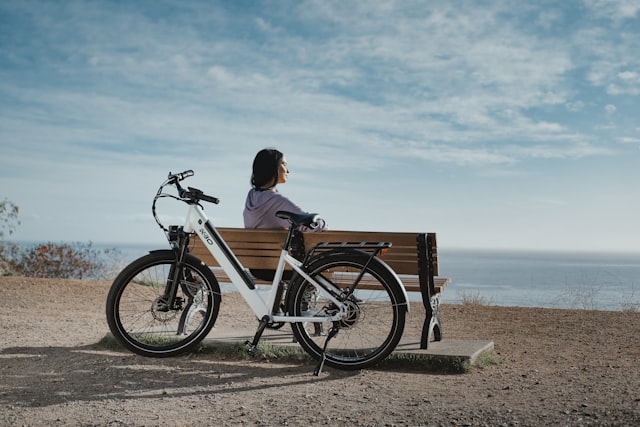
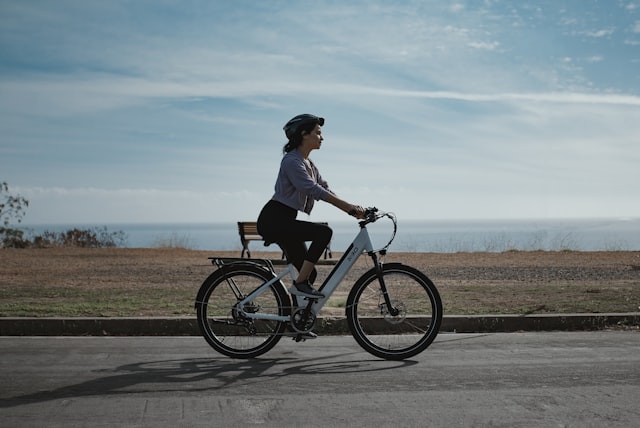
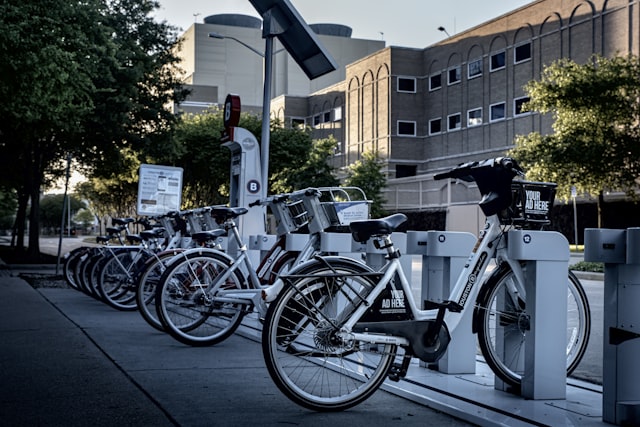
Neighborhood riding is the most common thing people actually do with an e-bike: an evening loop, the greenbelt to the park, a run to the store, riding with kids to school. The bike for that is not the fastest or the longest-range one. It is upright and comfortable, easy to get on and off, stable at low speed, simple to maintain, and has a basket or rack so you can bring something home. Power matters less than on a commuter; a 500W motor is plenty and a 250W bike is fine on flat ground.
Our picks lean toward step-through frames, swept-back bars and wide saddles, because that is what makes a ten-minute ride pleasant for riders of any age. We include a budget cruiser, a light-assist option for riders who want a normal-bike feel, and a step-through fat bike for neighborhoods where the streets are rough. All are Class 2 or lower as shipped, which keeps them legal on most shared paths.
Comfort is the spec that matters
For short rides, geometry beats watts. An upright position with swept-back bars takes weight off your hands and lets you look around, which is both more pleasant and safer on streets with driveways and kids. A wide saddle and a suspension seatpost do more for comfort than a suspension fork. A low step-through frame means you can put a foot down flat at every stop sign, which is the thing that makes nervous riders confident.
Tires in the 2 to 2.4-inch range are the sweet spot for neighborhood pavement; fat tires are for rough streets and gravel shoulders and cost a little speed and range. Run pressure toward the low end of the range for comfort.
How much power and range you actually need
A neighborhood ride is rarely more than five to ten miles, and most of it is under 15 mph. A 500W motor with a torque sensor is ideal; a 250W motor is fine on flat ground for a lighter rider. Any 36V or 48V battery covers the distance with charge to spare, so battery size is mostly about how often you want to plug in.
If you will ride with a child on the back, haul groceries, or climb anything steep, step up to a 500W to 750W bike with a payload rating that covers the load; the Discover 1 is the pick here for that.
Baskets, racks and bringing things home
A front basket or a rear rack turns a toy into a tool. Front baskets are easiest for a bag or a small dog; rear racks with a trunk bag or panniers carry more and keep weight off the steering. Check the rack rating (often 25 to 55 lb) and the mount style before buying accessories. The Nakto Camel and the Heybike bikes include carry gear; the Pace does not.
Fenders are worth having even in Texas; a short rain leaves puddles and sprinkler overspray for hours, and they keep the bike clean.
Safety on residential streets and shared paths
Most neighborhood crashes are low-speed and involve driveways, cross streets and pedestrians, not traffic. Integrated lights that are always on help drivers notice you backing out of a driveway. A bell is required courtesy on greenbelts. Hydraulic brakes are a real safety upgrade even at neighborhood speeds for a 60 lb bike.
Texas classifies e-bikes 1 through 3, and most cities let Class 1 and 2 bikes on shared paths and sidewalks where regular bikes are allowed, but local rules vary; check with your city (Frisco, Plano, McKinney and others publish theirs). Ride at walking-plus pace around pedestrians and wear a helmet.
Alternatives and who should skip this category
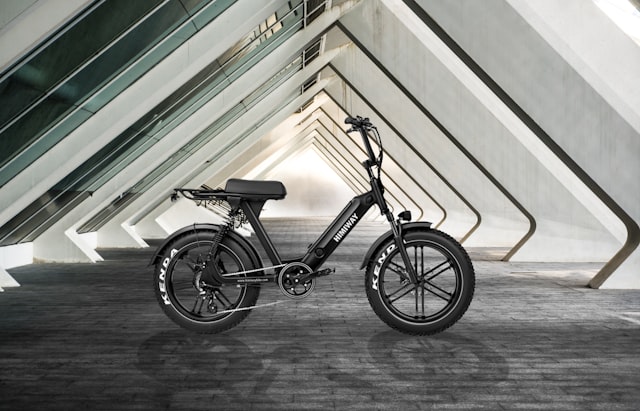
If you will actually commute more than a few miles, a commuter bike from that guide is the better buy; the Discover 1 bridges the two. If the kids are coming along, a compact cargo bike like the RadRunner 3 Plus or Velotric Packer 1 carries a passenger safely. If you just want to cruise and look good doing it, moped-style bikes like the Super73 Z Miami exist, but they pedal poorly and can be unlocked past legal speeds; know what you are buying.
Already own an e-bike that is acting up?
Before replacing it, find out what is actually wrong. An E-Bike Assessment gives you a clear report and next steps.