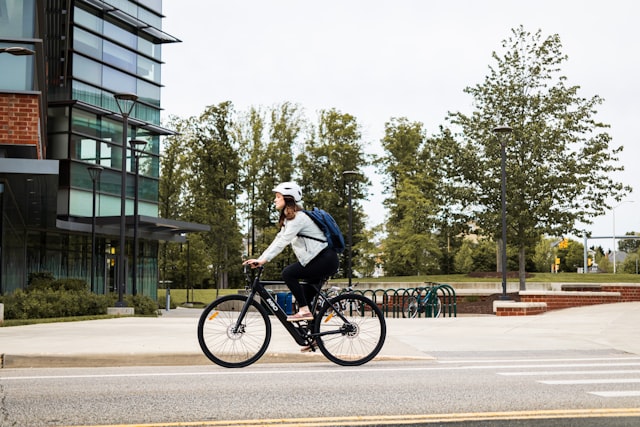
Folding E-BikesFeatured
Heybike Mars 2.0 Folding Fat Tire E-Bike
Best for: Trunk and RV storage · Riders who want power on a budget · Mixed gravel and neighborhood riding
View details & where to buy
Sold on Amazon
Comparison · updated 2026-08-22
Small e-bikes come in two flavors that are easy to confuse. A folding e-bike has a hinge in the frame (and usually the stem) so it collapses into roughly half its length for a car trunk, RV bay, apartment closet or train. A compact e-bike uses small wheels and a short wheelbase to keep its footprint small, but the frame is one solid piece. Both are popular with apartment dwellers, RV travelers, shorter riders and anyone who has to share a garage with two cars.
The hinge is the whole question. Folding buys you real flexibility in storage and transport, but it adds weight, cost, a little flex and one more set of bolts to keep tight. If you never actually need to fold the bike, a compact model gives you a stiffer, lighter, simpler ride for the money. This comparison helps you figure out which side of that line you are on.
A
Frame and stem hinges let the bike collapse for storage and transport. Usually 20-inch wheels, 50–75 lb, with a wide range from budget fat-tire folders to premium lightweight models. Slight flex and more hardware to maintain.
B
A small-wheel, short-wheelbase bike with a rigid frame. Stiffer, a bit lighter and typically cheaper for the same components. Still fits in tight spaces and suits shorter riders, but does not shrink further.
| Criterion | Folding E-Bike | Compact E-Bike |
|---|---|---|
| Storage footprint | Folded, about half its length and often under 3 feet long. Fits closets, trunks and RV compartments. | Smaller than a full-size bike but the same shape; needs a wall hook or floor space roughly 4–5 feet long. |
| Car and transit transport | Fits in most trunks and hatchbacks without a rack. Folded bikes are usually allowed on trains and buses where full bikes are not. | Needs a hitch rack or a lowered rear seat. Treated as a full bike on transit. |
| Weight | Folding hardware adds a few pounds. Fat-tire folders run 60–75 lb; light folders around 40–50 lb. | Typically a few pounds lighter than an equivalent folder. |
| Frame stiffness and ride feel | Good folders are solid, but budget ones can flex at the hinge and stem. Creaks are a sign the hinge needs adjustment. | Stiff and predictable. Small wheels still react more to potholes than a 27.5-inch bike. |
| Maintenance | Periodically check and tighten hinge latches and stem bolts; grease the latch mechanism. Otherwise standard. | Standard e-bike maintenance only. |
| Price for the same parts | A bit higher; the hinge and extra engineering cost money. | A bit lower, or better components at the same price. |
| Rider fit | Adjustable stems and long seat posts fit a wide height range, roughly 4 ft 10 in to 6 ft 2 in on many models. | Similar range on many models, but fewer adjustments; check the stand-over and reach. |
| Lifting and carrying | Folded bikes are compact but awkward and heavy to carry; grab handles help. Upstairs trips are a chore above 50 lb. | Easier to roll and wheel; no better for carrying. |
| Typical buyers | RV and boat owners, commuters who drive part way, apartment and dorm residents, mixed car-and-bike travelers. | Shorter riders, garage-constrained households, anyone who wants a small bike without the folding premium. |
Advertisement
Pick a folding e-bike if you will actually fold it: you store it in a trunk or closet, take it in an RV, combine it with DART or a car commute, or live in a walk-up. A good folder from a known brand is reliable, and the convenience is real. Spend a little more for a sturdy latch design, check the hinge bolts a few times a year, and think hard about weight if you will lift it often.
Pick a compact e-bike if the bike mostly lives in one place and rides from there, if you are a shorter rider who wants a small, easy-to-manage bike, or if you would rather put the folding premium toward better brakes or a torque sensor. If you already own either and it has developed a creak, a wobble in the stem, or a loss of power, the E-Bike Assessment can help you sort mechanical issues from electrical ones before you start ordering parts.
Best for: Trunk and RV storage · Riders who want power on a budget · Mixed gravel and neighborhood riding
Sold on Amazon
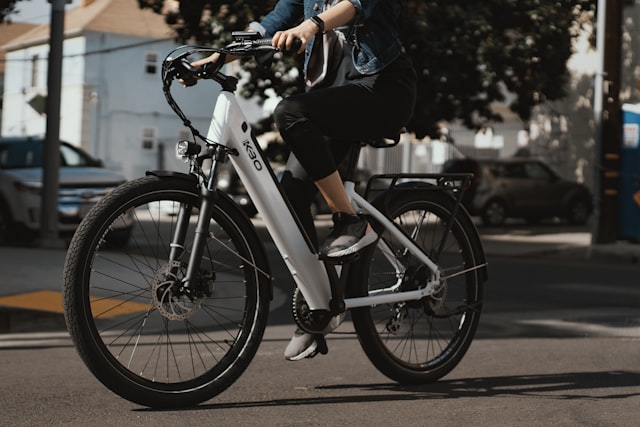
Best for: First e-bike · RV, boat and apartment storage · Short to medium commutes
Sold on Amazon
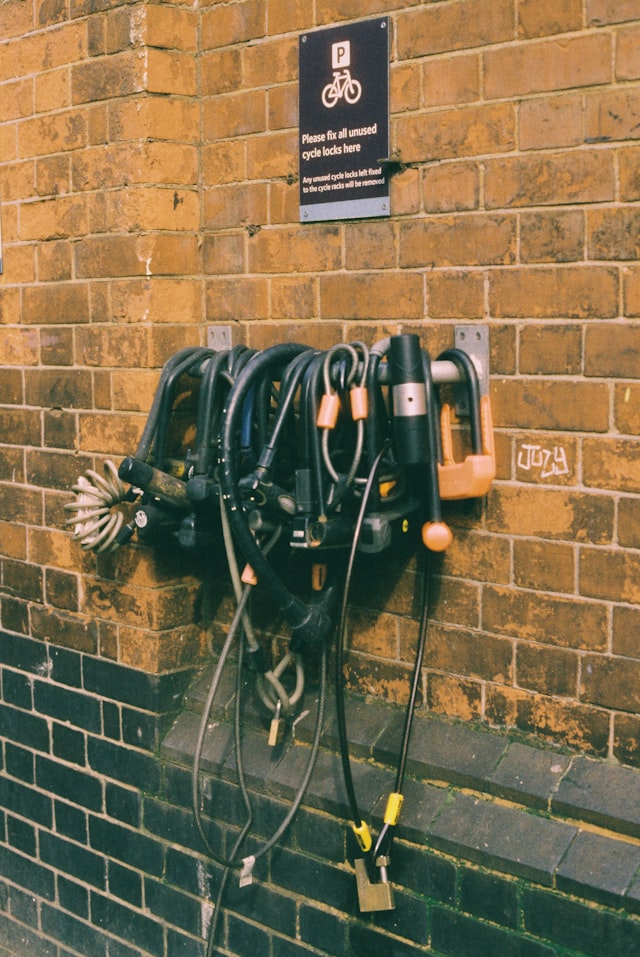
Best for: High-value e-bikes locked outdoors · Urban and campus parking with theft pressure · Riders who leave the bike in one spot all day
Sold on Amazon
Best for: Daily commuters in suburban and campus settings · Riders who want the lock mounted to the frame · Mid-value e-bikes
Sold on Amazon
A well-made folder with properly tightened latches is safe. Problems arise when hinge bolts loosen or a cheap latch wears. Check that the latch closes firmly and the stem does not rock before each ride, and retighten to the manufacturer's torque spec a few times a year.
Most 20-inch folders end up around 30–36 inches long, 15–20 inches wide and 25–30 inches tall when folded with the stem down and pedals tucked. That fits most car trunks but not all; measure before assuming.
Many models fit riders up to about 6 ft 2 in with the seat and stem extended, though the short wheelbase makes them feel twitchy to very tall riders. Riders over about 6 ft 3 in usually prefer a full-size bike.
Somewhat. A 20-inch wheel drops further into potholes than a 27.5-inch one, which is why many small bikes use fat tires or suspension. On smooth suburban paths the difference is minor.
DART has historically allowed bikes on trains and buses with some restrictions during crowded periods, and folded bikes are treated more like luggage. Policies change, so check DART's current bike policy before you plan a commute around it.