Any CPSC-certified bicycle helmet is legal and far better than nothing, but e-bikes bend the math in two ways: you spend more time at 20 mph and up, and you ride more miles because it is easy. That makes rotational protection (MIPS and similar systems) worth paying for, and it makes the Dutch NTA 8776 speed-pedelec standard, which tests at higher impact speeds with more coverage, worth a look if you ride a Class 3 bike at 28 mph on frontage roads.
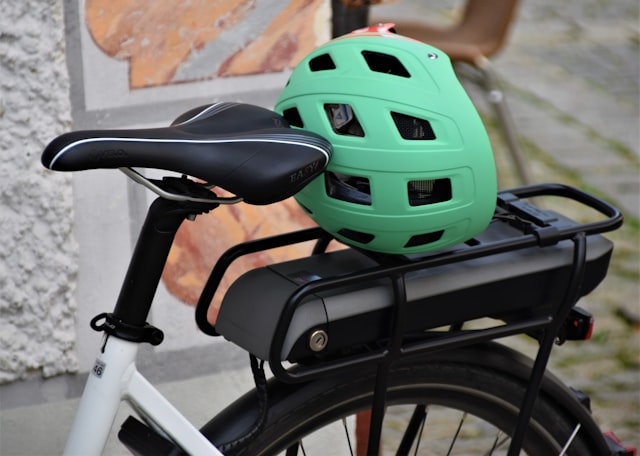
Fit and heat decide whether you wear the helmet, and an unworn helmet has a safety rating of zero. Texas summers punish low-vent urban lids; the picks below include well-vented options and honest notes on which ones run warm. We also cover the extras that make sense on e-bikes: integrated taillights, light mounts and lock holes.
We are not going to tell you a helmet makes you safe; it reduces the severity of head injuries in a fall. Pair it with lights, predictable riding and an e-bike in good mechanical shape, especially brakes.
MIPS and rotational protection
MIPS is a thin low-friction liner between your head and the foam that lets the helmet rotate a few millimeters on impact, which reduces the rotational forces associated with concussions in angled falls. Other brands have their own versions (WaveCel, SPIN, KinetiCore), and the independent testing we trust most consistently ranks helmets with some form of rotational protection above those without. It typically adds a modest amount to the price, and at e-bike speeds we think it is the first thing to pay for.
One caution: the same model name often exists with and without MIPS, and listings blur them. Confirm the yellow MIPS logo or the word in the listing title. A helmet is also single-use in a crash; replace it after any significant impact even if it looks fine, and replace it every several years regardless, because the foam and straps age.
NTA 8776: the e-bike helmet standard
NTA 8776 is a Dutch standard written for speed pedelecs, the European equivalent of Class 3 e-bikes. It tests impacts at higher speeds than the standard bicycle test and requires more coverage at the temples and the back of the head. Only a handful of helmets sold in the US carry it, and they tend to be heavier and warmer. If you ride a Class 3 bike at 25 to 28 mph on roads with traffic, it is worth the trade. For Class 1 and 2 riding at neighborhood speeds, a good CPSC helmet with MIPS is a reasonable choice.
Texas does not require helmets for adult e-bike riders statewide; some cities have their own rules, especially for minors, so verify with your city. Legal minimums aside, e-bike riders crash at higher speeds than they would on a regular bike, and the ER data reflects it.
Getting the fit right
Measure your head circumference just above the eyebrows and check the brand's chart; sizes are not consistent between brands and some run narrow. The helmet should sit level, about two finger-widths above the eyebrows, and the fit dial should hold it snug enough that it does not shift when you shake your head before you buckle the straps. Straps should form a V just under each ear, and you should be able to fit one finger between the chin strap and your chin.
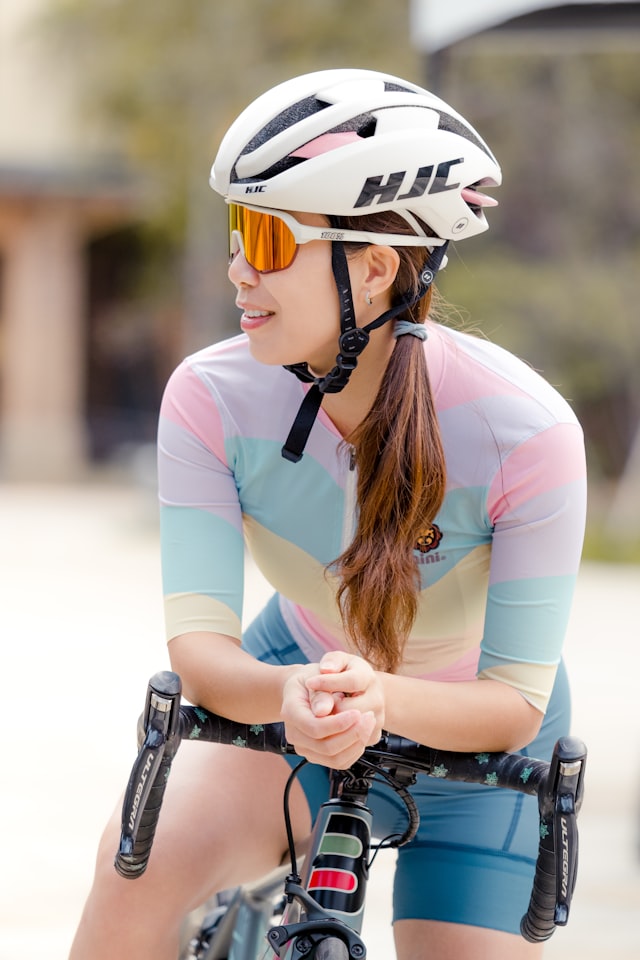
If you wear sunglasses or prescription glasses, check that the arms clear the helmet's temple area; some lids have eyewear channels for this. Ponytail ports and dial position matter more than you would think for daily comfort.
Ventilation in Texas heat
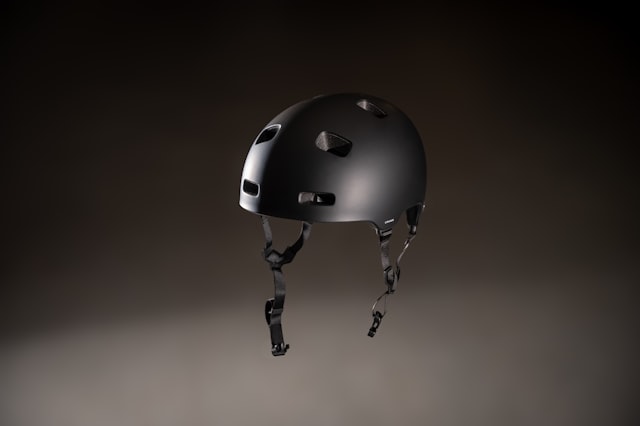
From May through September, a helmet with few vents will soak your headband in ten minutes at a stoplight. Look for large front vents and internal channels that let air move front to back; commuter helmets with closable shutters are fine as long as they open fully. Light colors run a bit cooler. A thin sweat-wicking cap under the helmet helps more than people expect and keeps sweat out of your eyes.
The trade-off is coverage: the airiest helmets give up some protection at the back of the head. Our picks include a well-vented commuter lid with extended coverage as the compromise most riders here end up with.
Alternatives and who should skip this category
If you ride a Class 3 e-bike mostly on roads, prioritize NTA 8776 and accept the weight. If you ride only on neighborhood streets and paths at Class 1 speeds, any CPSC helmet with MIPS that you will actually wear is the right answer, and the cheapest one that fits beats the nicest one that sits on a shelf. eMTB riders should shop mountain bike helmets with extended coverage, which we cover on the helmets category page.
Already own an e-bike that is acting up?
Before replacing it, find out what is actually wrong. An E-Bike Assessment gives you a clear report and next steps.