Frisco E-Bike

Accessories

E-Bike Helmets

MIPS, NTA 8776 and commuter helmets with lights and visors.

An e-bike helmet is the one accessory we would never skip, and the reason is physics. A typical pedal bike on a Frisco greenbelt cruises at 10 to 14 mph. A Class 3 commuter holds 25 to 28 mph with almost no effort, and a heavier bike with a 60-pound frame and fat tires carries more energy into every crash. Standard bicycle helmets in the U.S. are certified to CPSC 1203, which is tested around roughly 14 mph impact speeds. That is still far better than nothing, but it explains why a newer Dutch standard, NTA 8776, was written specifically for speed pedelecs: it covers more of the head (especially the temples and back of the skull) and is tested at higher impact energies.

In practice, most riders on Class 1 and Class 2 bikes do fine with a well-fitting CPSC helmet, ideally one with a rotational-impact liner such as MIPS, WaveCel or a similar system. If you ride a Class 3 bike, commute in traffic on Preston Road or Eldorado Parkway, or just want more coverage, an NTA 8776 helmet is worth the step up. Whatever the standard, fit matters more than features: a helmet that sits level, covers your forehead to about a finger-width above the eyebrows, and does not rock when you shake your head is doing its job. One that perches high or slides around is not.

North Texas summers add a twist. A dense, low-vent e-bike helmet is brutal in August, so look for real channeling and a removable, washable liner. Integrated rear lights, a small visor for low sun on east-west routes, and a dial retention system are genuinely useful for commuters. Skip the bargain-bin helmets with no certification sticker inside; if a listing cannot tell you which standard it meets, move on.

3 products

Shop e-bike helmets

Open a product for our full notes, pros and cons, and the link to its Amazon listing. We do not sell or ship products ourselves.

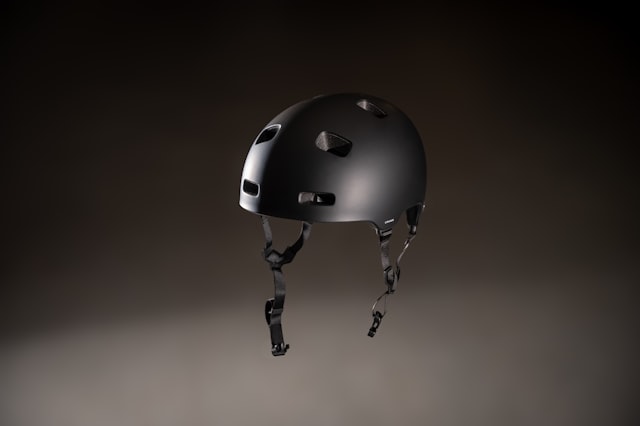
Black ventilated bike helmet
E-Bike Helmets

Giro Register MIPS Helmet

The Register is the helmet we point people to when they want real rotational protection and do not want to think about sizing. Giro ships it in a single universal adult size with a wide-range dial, adds MIPS, and keeps the price near the bottom of the MIPS market. Ventilation is generous for the money, the visor snaps off, and replacement pads are easy to find. It is a recreational lid rather than a commuter-specific design, so there is no light mount or vent shutter. For neighborhood loops, campus rides and casual weekend miles it is hard to beat on value.

Best for: Budget-conscious riders who still want MIPS · Households buying several helmets at once · Casual neighborhood and campus riding

City bike with a backpack
E-Bike Helmets

Lumos Ultra Smart Helmet

Lumos put a bright front light, a wraparound rear light, and optional turn signals into a helmet that looks surprisingly normal. The Ultra is the mainstream model: lighter and better vented than the original Kickstart, with a wireless handlebar remote for signals and brake lights that react to the helmet's motion. The lights do not replace a proper handlebar headlight for seeing the road, but they put visibility at driver eye level. MIPS is available on some variants. Battery life is measured in hours, not days, so it becomes one more thing to plug in alongside the bike.

Best for: Urban commuters riding at dusk and dawn · Riders who want turn signals without wiring the bike · Visibility-first shoppers

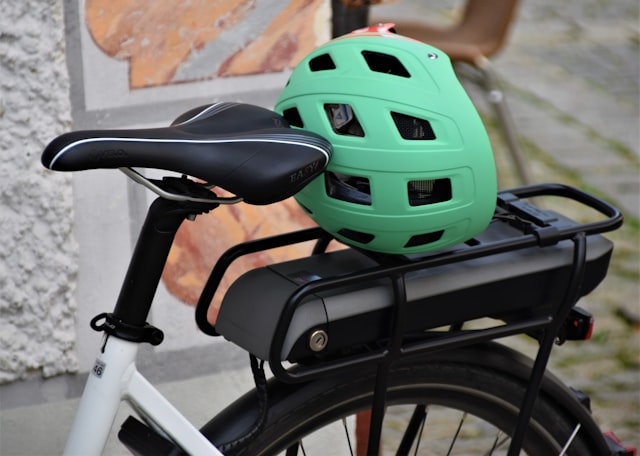
Green and black helmet on a bike handlebar
E-Bike Helmets

Smith Express MIPS Helmet

The Express is Smith's entry into the commuter space, and it borrows plenty from its mountain helmets: extended rear coverage, large vents, MIPS, and an adjustable visor that stays out of the way when you are tucked behind the bars of a faster e-bike. It is one of the cooler-running urban helmets, which is a real advantage for Texas riders who still want coverage. The fit system and straps feel a notch more refined than budget helmets. It does not include a light mount out of the box, and eyewear storage channels are a nice touch for sunglasses wearers.

Best for: Commuters who overheat in low-vent urban helmets · Riders who also hit gravel or trails · Sunglasses wearers

How to choose e-bike helmets

Certification

Look for CPSC 1203 at minimum; it is required for sale as a bicycle helmet in the U.S. For Class 3 or fast commuting, NTA 8776 (speed pedelec) helmets offer extended coverage and higher-energy testing. The sticker should be inside the helmet, not just on the box.

Rotational protection

MIPS, WaveCel, Koroyd and similar liners are designed to reduce rotational forces in angled impacts, which is how most real crashes happen. They add a little weight and cost. We consider them worth it on any bike that can hold 20 mph or more.

Fit and retention

Measure your head circumference and check the size range, then confirm the dial adjuster and straps can hold the helmet level without pressure points. Try it with sunglasses on if you wear them. A helmet you keep loosening because it is uncomfortable is a helmet that is not protecting you.

Ventilation and weight

Texas heat punishes helmets with small, shallow vents. Channeling that pulls air front to back makes a real difference at e-bike speeds. Urban-style helmets look sharp but often vent poorly; if you choose one, make sure it has at least some airflow.

Commuter features

Integrated rechargeable taillights, reflective trim, a visor, and compatibility with a clip-on light are all practical for daily riding. Built-in lights are a supplement to, not a replacement for, a proper headlight and taillight on the bike.

Maintenance tips

  • Replace any helmet that has taken a hard hit, even if there is no visible crack; the foam crushes once and does not recover.
  • Store helmets out of a hot car. Prolonged heat degrades EPS foam and adhesives faster than you would expect.
  • Hand-wash pads and straps with mild soap; avoid solvents and petroleum-based cleaners on the shell.

Frequently asked questions

Is MIPS actually worth the extra money on an e-bike helmet?

For most riders, yes. Rotational-impact liners are designed to reduce the twisting forces that are common in angled crashes, and e-bike crashes tend to happen at higher speeds than pedal-bike crashes. The cost difference is usually modest compared with the overall price of the bike.

What is NTA 8776 and do I need it?

NTA 8776 is a Dutch standard written for speed pedelecs that ride at up to about 28 mph. Helmets that meet it cover more of the head and are tested at higher impact energy than CPSC helmets. If you ride a Class 3 bike regularly, it is a sensible upgrade; for relaxed Class 1 or 2 neighborhood riding, a good CPSC helmet is fine.

Can I use a motorcycle or skate helmet instead?

A DOT motorcycle helmet protects well but is heavy, hot, and often blocks hearing and peripheral vision on a bike. Skate helmets may not be certified for bicycle use at all. Stick with a helmet certified to CPSC 1203 or NTA 8776 unless you have a specific reason otherwise.

How often should I replace my helmet?

Immediately after any significant impact, and otherwise every three to five years depending on use and sun exposure. Sweat, UV, and heat slowly break down the foam and the straps even if the helmet looks fine.

Are helmets required for e-bikes in Frisco?

Texas does not have a statewide helmet law for adults on e-bikes, and local rules vary. Check with the city for current requirements, and wear one regardless; the physics do not care about the ordinance.

More accessories categories