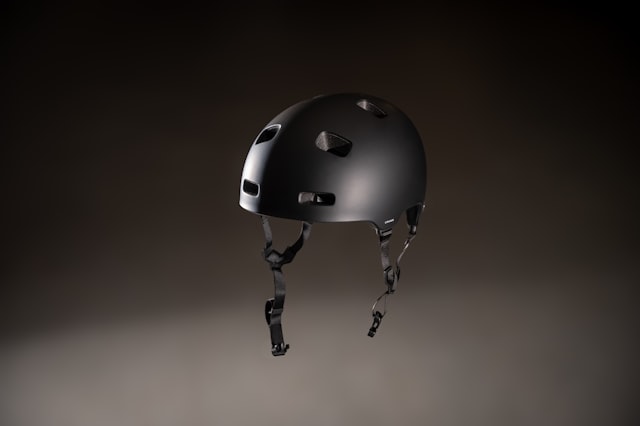
MIPS, NTA 8776 and commuter helmets with lights and visors.
An e-bike helmet is the one accessory we would never skip, and the reason is physics. A typical pedal bike on a Frisco greenbelt cruises at 10 to 14 mph. A Class 3 commuter holds 25 to 28 mph with almost no effort, and a heavier bike with a 60-pound frame and fat tires carries more energy into every crash. Standard bicycle helmets in the U.S. are certified to CPSC 1203, which is tested around roughly 14 mph impact speeds. That is still far better than nothing, but it explains why a newer Dutch standard, NTA 8776, was written specifically for speed pedelecs: it covers more of the head (especially the temples and back of the skull) and is tested at higher impact energies.
In practice, most riders on Class 1 and Class 2 bikes do fine with a well-fitting CPSC helmet, ideally one with a rotational-impact liner such as MIPS, WaveCel or a similar system. If you ride a Class 3 bike, commute in traffic on Preston Road or Eldorado Parkway, or just want more coverage, an NTA 8776 helmet is worth the step up. Whatever the standard, fit matters more than features: a helmet that sits level, covers your forehead to about a finger-width above the eyebrows, and does not rock when you shake your head is doing its job. One that perches high or slides around is not.
North Texas summers add a twist. A dense, low-vent e-bike helmet is brutal in August, so look for real channeling and a removable, washable liner. Integrated rear lights, a small visor for low sun on east-west routes, and a dial retention system are genuinely useful for commuters. Skip the bargain-bin helmets with no certification sticker inside; if a listing cannot tell you which standard it meets, move on.