Frisco E-Bike

Accessories

Rear Racks

Bolt-on racks — check frame mounts, disc-brake clearance and load rating.

A rear rack is the foundation for most e-bike carrying: panniers, trunk bags, baskets and child seats all start here. Many e-bikes ship with one, but a surprising number do not, and the included racks on budget bikes are sometimes rated for far less than owners assume. Whether you are adding a rack or upgrading one, the e-bike-specific concerns are load rating, clearance around disc brakes and wide tires, and making sure the frame actually has the mounting points you need.

Racks mount three ways. Bolt-on racks use eyelets near the rear dropouts and on the seatstays and are the sturdiest; they typically carry 25 to 30 kg and heavy-duty versions more. Seatpost-clamp racks need no eyelets but usually carry only 9 to 10 kg and can sway, which gets worse on a heavy bike. Some racks use adapters that clamp to the seatstays or bolt to the disc-brake mount when the frame lacks eyelets. Check your frame first: step-through e-bikes usually have eyelets, full-suspension bikes usually do not, and folding bikes often need a model-specific rack.

Clearance is where e-bikes trip people up. Disc-brake calipers sit where a rack's lower leg wants to go, so look for racks that are disc-specific or have offset legs. Fat tires of 4 inches need a wider rack than the standard 26 by 2.1 road crowd assumed, and 20-inch wheel bikes need a rack with shorter legs or adjustable struts. If the rack will carry a child seat, you need a rack specifically rated for it and compatible with the seat's mounting system. Properly bolted with thread locker and checked monthly, a good rack will outlast the bike.
4 products

Shop rear racks

Open a product for our full notes, pros and cons, and the link to its Amazon listing. We do not sell or ship products ourselves.

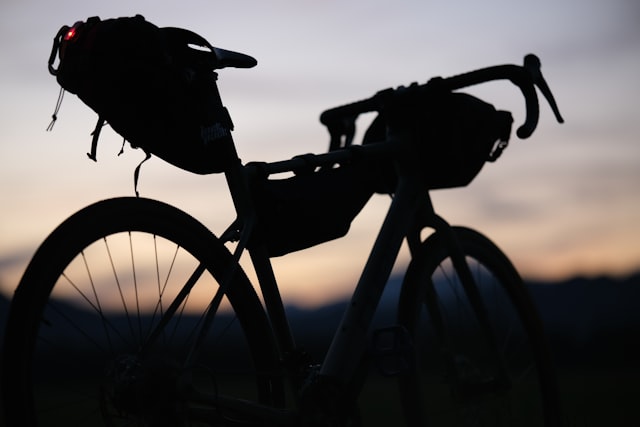
Bike with a rear cargo bag
Rear RacksFeatured

Topeak Explorer Rack (Disc Brake version)

The Explorer is Topeak's everyday aluminum rack with the MTX QuickTrack plate on top, which opens up the whole MTX bag and basket line. The disc version has offset legs to clear rear disc calipers. It bolts to frame eyelets at the dropouts and seat stays and is rated for around 55 lb, which covers panniers and a trunk bag but not a passenger. On e-bikes, the common snag is that the rear axle area is crowded by hub-motor wiring and torque arms, so leave slack in the cable and use the included spacers. It is a reliable, affordable rack for bikes that did not come with one.

Best for: E-bikes without a stock rack · Commuters who want MTX bag compatibility · Disc-brake bikes

Bike with a rear cargo bag
Rear Racks

Blackburn Outpost Fat Bike Rear Rack

Fat-tire e-bikes are the fastest-growing segment and most standard racks simply do not fit around a 4-inch tire. Blackburn's Outpost Fat Bike rack is built wide and tall for fat tires up to roughly 5 inches, adjusts for wheel size, and mounts to eyelets or with included clamps where eyelets are missing. It is a touring-grade rack with a solid load rating and a top platform for dry bags. On fat-tire e-bikes the challenge is the rear hub motor width and wiring, so confirm the rack legs clear your dropouts and torque arm before committing.

Best for: Fat-tire e-bikes without a stock rack · Bikepacking and hunting setups · Riders needing a wide platform

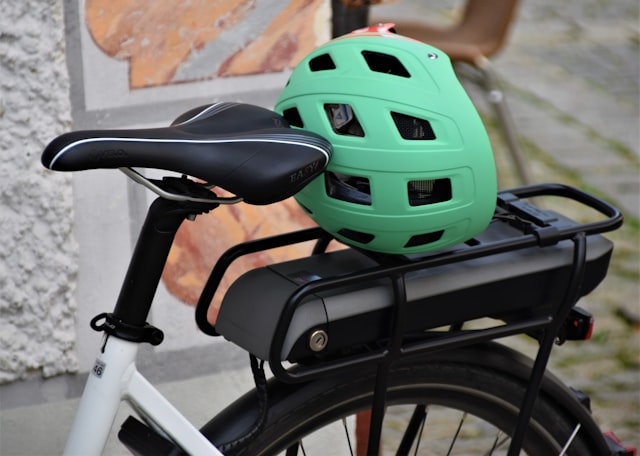
Green and black helmet on a bike handlebar
Rear Racks

Thule Tour Rack (Pack 'n Pedal)

The Thule Tour Rack is for bikes with nowhere to bolt a normal rack: full-suspension eMTBs, carbon frames, and folding or fat bikes without eyelets. It clamps to the seat stays or fork legs with ratcheting straps and rubber pads, and it can be mounted front or rear. Load rating is lower than a bolt-on rack, and the straps need checking, but it makes pannier carry possible where it otherwise would not be. Thule's own side frames let panniers hang without hitting spokes. It costs more than a basic rack because it solves a harder problem.

Best for: Full-suspension and eMTB riders · Frames without eyelets · Front or rear mounting

City bike with a backpack
Rear Racks

Topeak Super Tourist DX Rack (Disc)

The Super Tourist DX is the Explorer's heavier-duty sibling, with a tubular aluminum construction, side rails that hold panniers away from the spokes, and the same MTX QuickTrack plate on top. It is the rack we suggest for commuters who carry heavy panniers daily and want stiffness over grams. The disc version clears rear calipers. It still needs frame eyelets and still is not a passenger rack, but it handles loaded panniers on rough pavement better than lighter racks. Fitment on e-bikes follows the usual rules: check motor wiring, torque arms and fender stays at the dropouts.

Best for: Heavy daily pannier loads · Touring and long commutes · MTX bag users

How to choose rear racks

Load rating

Bolt-on racks commonly rate 25 kg or more; heavy-duty models go higher. Seatpost racks are usually limited to around 10 kg. Match the rating to your real use, and remember a child seat has its own rack requirements.

Frame mounts

Check for eyelets at the dropouts and on the seatstays or seat cluster. Without them you need adapters or a seatpost rack. Some frames have the eyelets hidden under plastic caps.

Disc-brake and tire clearance

Disc-compatible racks have legs offset or bent to clear the caliper. Fat tires need a wide rack; 20-inch wheels need short or adjustable legs. Measure tire width and wheel size before ordering.

Rail design and pannier fit

Thinner round tubing fits the widest range of pannier hooks. Wide top decks help trunk bags and baskets. If you plan panniers, avoid racks with oddly shaped or very thick rails.

Light mount and reflector

A rear light mount plate keeps your taillight visible when a bag is loaded. Some racks integrate with the bike's wired taillight; check whether the stock light relocates cleanly.

Compatibility notes

  • Full-suspension frames and most carbon frames are not designed for rack loads; check the manufacturer's guidance.
  • Racks that mount to the disc-brake caliper bolt exist but require the correct bolt length and torque; if unsure, have a shop do it.
  • Folding e-bikes often need a brand-specific rack because of wheel size and frame hinge geometry.

Installation considerations

  • Use the correct bolt length so threads engage fully but do not bottom out against the caliper or frame. Apply medium thread locker.
  • Level the rack front to back before final tightening; a tilted rack throws panniers forward into your heels.
  • Torque bolts to the rack maker's spec, ride a few miles, then re-check. Re-check monthly on rough routes.

Frequently asked questions

My e-bike has no rack eyelets. What are my options?

Seatpost-clamp racks are the easiest but carry little and can sway. Seatstay clamp adapters and axle-mounted brackets let you fit a stronger rack on many frames. If the bike is full-suspension or carbon, talk to the manufacturer before loading it.

How much weight can I put on my rack?

Only what the rack is rated for, and never more than the bike maker allows for the whole bike. Typical bolt-on racks rate 25 kg; many e-bike-specific racks are higher. Child seats require a rack rated specifically for that use.

Will a standard rack fit a fat-tire e-bike?

Usually not. Four-inch tires need a wider rack with longer, splayed legs. Look for racks sold for fat bikes, and check that the rack stays clear of the disc caliper.

Why does my rack creak and loosen?

E-bike vibration and loads work bolts loose. Remove them, clean, add thread locker, and torque to spec. A creak can also come from a rack leg rubbing a brake caliper or frame stay.

Can I mount a child seat on any rack?

No. Rack-mounted child seats need a rack rated for the seat's load, usually 25 kg or more, and the seat's clamp must fit the rack tubing. Check the seat maker's compatibility guidance.

More accessories categories