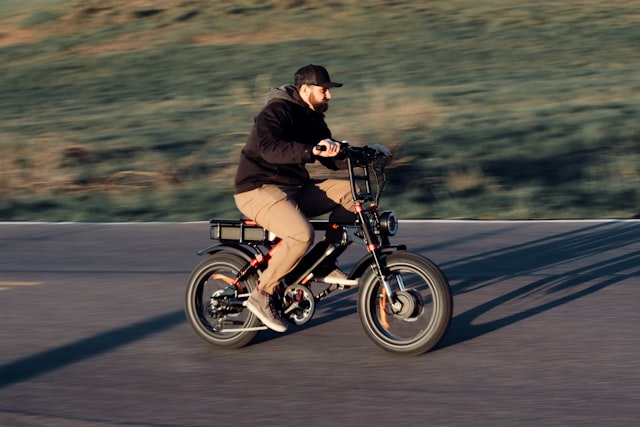
4-inch tires for sand, snow, gravel and a plush ride on rough pavement.
Fat tire e-bikes run 4-inch-wide tires, usually on 20 or 26 inch rims, and that single choice changes everything about how the bike rides. At 10 to 20 psi the tire itself becomes the suspension, floating over gravel, sand, snow and the cracked asphalt you find on older neighborhood streets around North Texas. Riders who would never consider a mountain bike end up on fat tires because the ride is calm and confidence-inspiring, and the wide contact patch makes braking and cornering feel planted.
The tradeoff is rolling resistance and weight. A fat tire e-bike is typically 65 to 80 pounds, and those tires take noticeably more energy to turn, so range per watt-hour is lower than a commuter with 2-inch tires. Manufacturers compensate with 750W hub motors and 48V packs in the 600 to 1,000Wh range. Expect realistic range in the 25 to 40 mile band at moderate assist, less if you lean on the throttle or run very low pressure on pavement. The extra weight also means you should not plan on carrying one up stairs or lifting it onto a standard car rack without help.
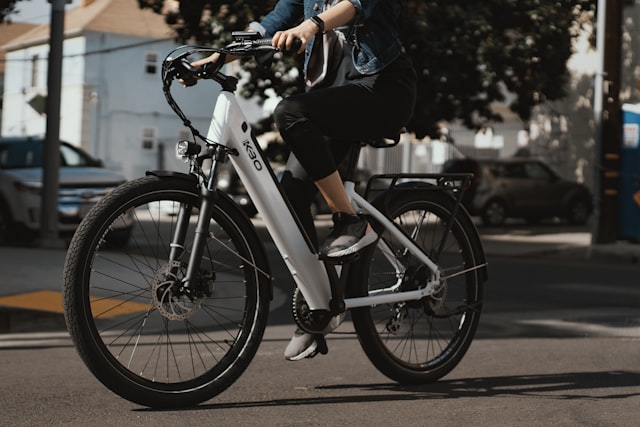
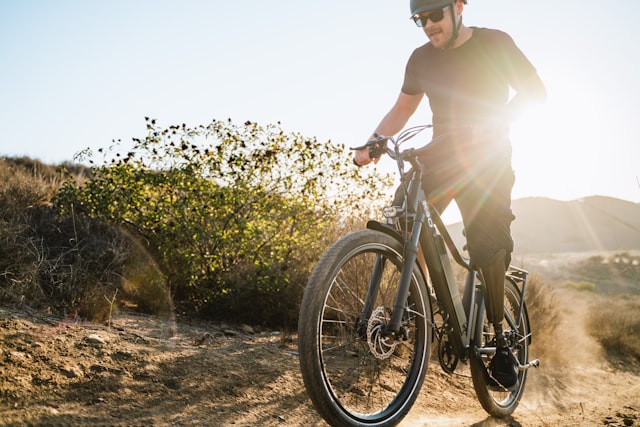
Fat tire e-bikes come in almost every frame style, so the label tells you about the tires, not the geometry. You will find 20 inch folding fat bikes, step-through cruisers, and 26 inch step-over models with front suspension that blur into the hunting and eMTB categories. Pick the frame for how you sit and what you carry, then judge the bike on brakes (hydraulic is strongly preferred at this weight), battery capacity, and whether the tires have a puncture-resistant casing. If you already own one that has lost range or started cutting out, an E-Bike Assessment is a sensible first step before buying parts.