Frisco E-Bike

E-Bikes

Fat Tire E-Bikes

4-inch tires for sand, snow, gravel and a plush ride on rough pavement.

Fat tire e-bikes run 4-inch-wide tires, usually on 20 or 26 inch rims, and that single choice changes everything about how the bike rides. At 10 to 20 psi the tire itself becomes the suspension, floating over gravel, sand, snow and the cracked asphalt you find on older neighborhood streets around North Texas. Riders who would never consider a mountain bike end up on fat tires because the ride is calm and confidence-inspiring, and the wide contact patch makes braking and cornering feel planted.

The tradeoff is rolling resistance and weight. A fat tire e-bike is typically 65 to 80 pounds, and those tires take noticeably more energy to turn, so range per watt-hour is lower than a commuter with 2-inch tires. Manufacturers compensate with 750W hub motors and 48V packs in the 600 to 1,000Wh range. Expect realistic range in the 25 to 40 mile band at moderate assist, less if you lean on the throttle or run very low pressure on pavement. The extra weight also means you should not plan on carrying one up stairs or lifting it onto a standard car rack without help.

Fat tire e-bikes come in almost every frame style, so the label tells you about the tires, not the geometry. You will find 20 inch folding fat bikes, step-through cruisers, and 26 inch step-over models with front suspension that blur into the hunting and eMTB categories. Pick the frame for how you sit and what you carry, then judge the bike on brakes (hydraulic is strongly preferred at this weight), battery capacity, and whether the tires have a puncture-resistant casing. If you already own one that has lost range or started cutting out, an E-Bike Assessment is a sensible first step before buying parts.
27 products

Shop fat tire e-bikes

Open a product for our full notes, pros and cons, and the link to its Amazon listing. We do not sell or ship products ourselves.

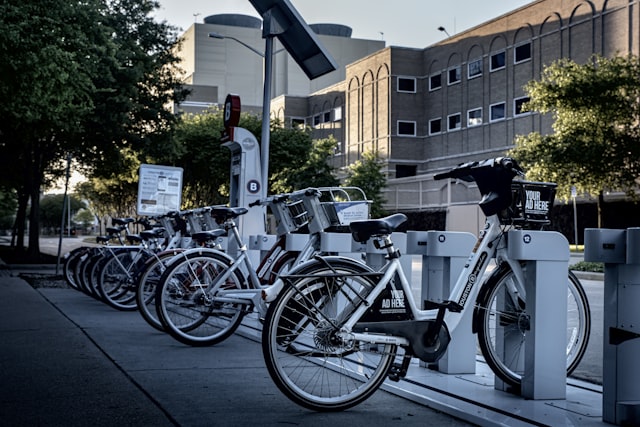
Electric bicycle parked on a sidewalk
Folding E-Bikes

Rad Power Bikes RadExpand 5 Folding E-Bike

The RadExpand 5 is Rad's folding bike: 20x4 fat tires, a 750W motor, a 48V 14Ah battery, a low step-through folding frame and a rear rack. It is a little lighter than the old RadMini it replaced and much easier to mount. It folds for RV bays and trunks rather than for carrying. Compared with a Lectric XP it costs more and has a rigid fork, but it gets Rad's accessory catalog and the same 48V platform as the rest of the lineup, which matters if you already own a Rad. Mechanical disc brakes are the main spec shortfall at this price.

Best for: RV and boat owners · Riders who already own Rad accessories · Step-through folder shoppers

Bike with a rear cargo bag
Pumps

Topeak Mountain Morph Mini Floor Pump

The Mountain Morph is a mini pump that unfolds into a tiny floor pump: a fold-out foot peg, a flip-out T handle and a hose so you can push with your body weight instead of your forearms. It is a high-volume design, which makes it one of the few frame-mountable pumps that can realistically reinflate a fat e-bike tire on the roadside. It mounts under a bottle cage with the included bracket. It is longer and heavier than a road mini pump, and there is no gauge on the base model, so you inflate by feel and top off at home.

Best for: Fat-tire and mountain e-bike riders · Roadside flat repair · Riders who hate mini pumps

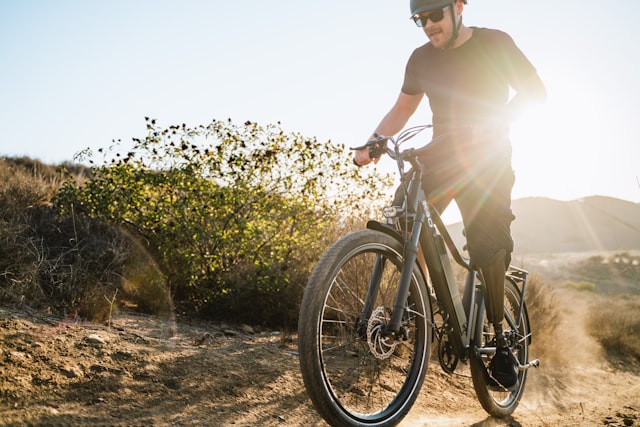
E-bike rider on a dirt road
Fat Tire E-Bikes

Velotric Nomad 1 Fat Tire E-Bike

The Nomad 1 is Velotric's fat-tire bike: 26x4 tires, a 750W motor, a UL-certified 692Wh battery and a 440 lb payload rating. It comes in step-through and high-step frames, with fenders, rack and lights included, and its suspension fork is a bit more adjustable than average. It is a heavy, planted bike that is happiest on gravel, grass and rough pavement. Range is respectable and the brakes are hydraulic. It is not as polished in assist feel as the Aventure.2 because it uses a cadence sensor, but it is usually priced a bit lower.

Best for: Riders over 250 lb who need a high payload rating · Gravel, grass and dirt roads · Riders who want a step-through fat bike

How to choose fat tire e-bikes

Tire size and casing

20x4 tires keep the bike compact and quick to accelerate; 26x4 roll over obstacles better and feel more stable at speed. Look for puncture-resistant casings — fat tires are slow to change on the roadside.

Motor and battery pairing

A 750W hub motor with at least a 48V 14Ah pack is the practical minimum for a bike this heavy. Smaller packs work for short neighborhood rides but you will feel the limit quickly on throttle.

Brakes

At 70-plus pounds, hydraulic disc brakes with 180mm rotors make a real difference in stopping distance and hand fatigue. Mechanical discs are acceptable on a budget but plan to adjust them often.

Suspension fork — or not

A basic coil fork adds weight and often little comfort beyond what the tires already provide. Rigid forks are fine for pavement and gravel; save suspension for real trail riding.

Weight rating and rack

Fat bikes often carry higher rider-plus-cargo ratings (300 to 400 pounds). Confirm the number and whether the rack is included and rated for what you want to strap to it.

Maintenance tips

  • Experiment with tire pressure: around 18 to 20 psi for pavement efficiency, 10 to 15 for gravel and sand.
  • Carry a fat-specific tube or plug kit; standard 26 inch tubes do not fit 4 inch tires.
  • Check spoke tension occasionally — heavy wheels with hub motors loosen spokes faster than light bikes do.
  • Store the battery indoors in summer; Texas garage temperatures shorten pack life.

Frequently asked questions

Are fat tire e-bikes good on pavement?

Yes, they are comfortable and stable, just less efficient. Run pressure at the higher end of the tire's range for street riding and expect a bit less range than the same battery would give on narrow tires.

20 inch or 26 inch fat tires?

20 inch wheels make a compact, often foldable bike that is easier to store and quicker off the line. 26 inch wheels roll over roots and ruts more smoothly and feel steadier at speed. Shorter riders usually prefer 20 inch.

How much do fat tire e-bikes weigh?

Most are 65 to 80 pounds with the battery installed. Remove the battery (often 7 to 10 pounds) before lifting, and budget for a hitch rack rated for e-bikes rather than a trunk rack.

Do I need a suspension fork?

For streets, gravel and lake paths, usually not — the tires do most of the work. For rocky singletrack or frequent drops, a decent fork helps, but cheap coil forks add weight without much benefit.

Why is my range lower than the advertised number?

Advertised range assumes a light rider at low assist on flat ground. Fat tires, throttle use, heat, hills and low pressure all cut into it. If range drops suddenly rather than gradually, that can point to a battery or connection issue worth an assessment.

More e-bikes categories