Frisco E-Bike

E-Bikes

Premium E-Bikes

Mid-drive systems, integrated batteries, hydraulic brakes and dealer support.

Premium e-bikes — generally the $2,500-and-up band, with many well above that — are defined less by speed than by refinement and support. The typical package is a mid-drive motor from a major system supplier, a torque sensor that makes assist feel like your own legs, a battery integrated cleanly into the down tube with name-brand cells, hydraulic disc brakes, a quality drivetrain, and a frame that comes in real sizes. Just as important, the bike is usually sold through a dealer who can service it, update its firmware and source parts years later.

Whether that is worth the money depends on how much you ride. A daily commuter or a rider doing long weekend miles will feel the difference in every pedal stroke and save money over time on parts that last. A neighborhood rider doing five miles on Saturdays will not. The other thing premium buys is predictability: established motor systems have known failure modes, diagnostic tools and service networks, so when something goes wrong it is usually fixable rather than a shrug from an online seller. That matters in places where the nearest dealer is an hour away.

Premium does have downsides. Proprietary batteries and displays lock you into one supplier, so replacement parts are expensive and must come through the dealer network. Mid-drives wear chains and cassettes faster than hub motors. And integrated batteries are harder to remove for charging indoors, which matters in Texas heat. Shop for fit first — premium bikes come in sizes, so use them — then the motor system and its service network, then the battery size. If your premium bike is out of warranty and has developed an electrical fault, an E-Bike Assessment can help you understand what you are facing before you schedule dealer service.
3 products

Shop premium e-bikes

Open a product for our full notes, pros and cons, and the link to its Amazon listing. We do not sell or ship products ourselves.

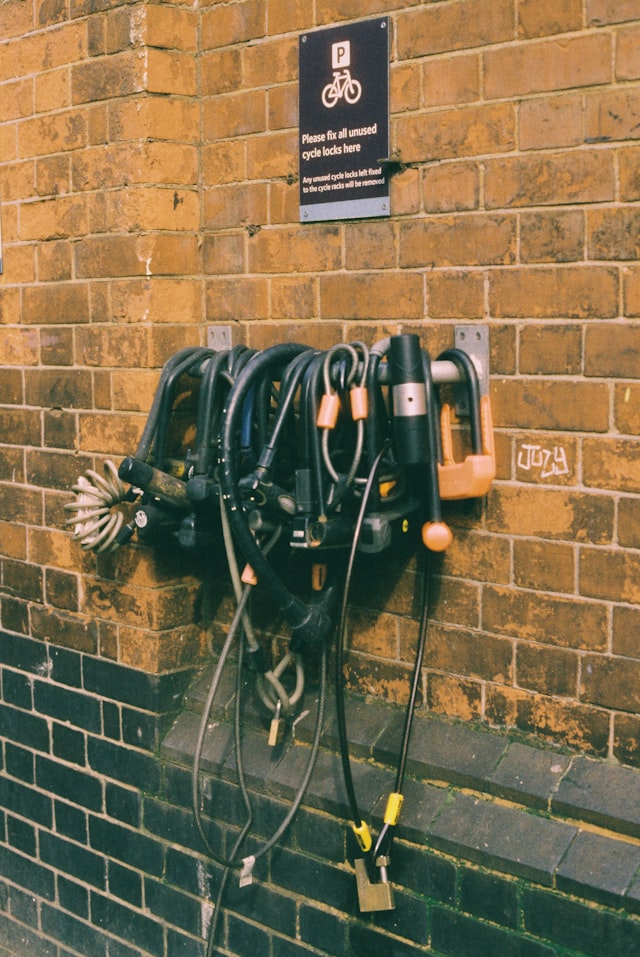
Bicycle locks and chains on a wall
E-Bike LocksFeatured

Kryptonite New York Fahgettaboudit Mini U-Lock

This is the lock to buy when the bike costs more than the rent. The Fahgettaboudit Mini uses an 18 mm hardened steel shackle with a double-deadbolt crossbar, which puts it in the small group of locks that shrug off bolt cutters and force attackers to use a grinder and time. The mini shackle is deliberately small so there is little room to fit a jack or pry bar. The trade-off is that small opening: you will not lock both frame and wheel to a fat pole with it, and it is heavy enough that many owners leave it at the office rack and carry something lighter for quick stops.

Best for: High-value e-bikes locked outdoors · Urban and campus parking with theft pressure · Riders who leave the bike in one spot all day

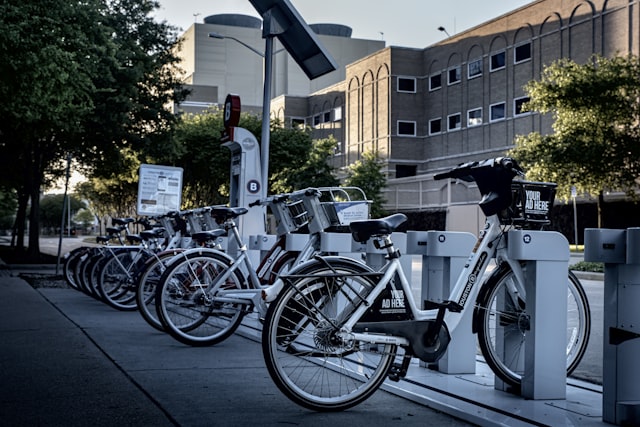
Electric bicycle parked on a sidewalk
E-Bike Locks

ABUS Bordo Granit XPlus 6500 Folding Lock

Folding locks solve the problem U-locks have on e-bikes: fat tubes, rear racks and awkward parking posts. The Bordo 6500 uses thick hardened-steel links with protected rivets, packs into a holster that bolts to bottle bosses or straps to the frame, and opens wide enough to wrap a wheel, frame and pole together. It is among the strongest folding locks tested, though any folding design still gives up some security to a good 18 mm U-lock at the rivets. For e-bikes parked during the workday or at a campus rack, the combination of reach and carry convenience is why it sells so well.

Best for: E-bikes with fat tubes that U-locks cannot reach around · Commuters who want a lock that lives on the frame · Locking to odd-shaped racks and posts

City bike with a backpack
E-Bike Locks

ABUS Granit XPlus 540 U-Lock

ABUS's Granit XPlus 540 is a favorite among shop mechanics because it hits a sweet spot: a 13 mm square-profile shackle that is tougher than its diameter suggests, a lock body that is noticeably lighter than 18 mm monsters, and an XPlus disc cylinder that resists picking well. It comes in a couple of shackle lengths, and the longer one is handy for e-bikes with fat downtubes and wide racks. ABUS includes a frame bracket. It is one of the highest-rated locks in its weight class, making it a solid pick for commuters who want better-than-average protection without carrying a dumbbell.

Best for: Commuters who park in mixed-risk areas · Riders who dislike the weight of 18 mm locks · E-bikes with wide tubes that need a longer shackle

How to choose premium e-bikes

Motor system and service network

Look for a motor from a major system supplier with dealers who can diagnose and update it. A premium bike with a proprietary motor and no local service is a risk, not a luxury.

Fit and sizing

Premium bikes come in multiple frame sizes; use them. A correct fit matters more than any spec, and it is the thing a dealer can help with that an online retailer cannot.

Battery capacity and removability

500 to 750Wh is typical. Check whether the integrated battery can be removed easily for indoor charging and whether the brand offers a range extender.

Brakes and drivetrain

Hydraulic discs with 180mm or larger rotors are standard; a quality drivetrain with an e-bike-rated chain and cassette holds up to mid-drive torque. Belt drives with internal gear hubs are a low-maintenance premium option.

Warranty and parts policy

Read the motor and battery warranty terms and ask how long replacement batteries and displays will be available. Proprietary parts are the hidden long-term cost of premium bikes.

Maintenance tips

  • Have the dealer check for motor firmware updates at service intervals; many ride and diagnostic improvements arrive that way.
  • Replace mid-drive chains at the wear-indicator mark rather than waiting; a stretched chain takes the cassette with it.
  • Use only the system charger; premium batteries communicate with the charger and third-party units may not work or may void the warranty.
  • Keep the bike out of direct summer heat between rides — integrated batteries cannot be pulled indoors as easily.

Advertisement

Frequently asked questions

Is a premium e-bike worth it?

If you ride often, yes: better feel, quieter operation, longer-lasting parts and real service. If you ride occasionally, a $1,200 to $2,000 bike gives most of the practical benefit for much less.

Why are premium e-bikes usually sold through dealers?

Motor systems require diagnostic tools, firmware updates and trained service, and manufacturers want fitting done in person. Some premium brands also sell online, but service still routes through dealers.

Mid-drive or hub motor at the premium level?

Mostly mid-drive, because it delivers the natural torque-sensing feel and climbing ability buyers pay for. Some premium commuters use high-quality hub motors with torque sensors and are quieter and lower maintenance.

What happens when a proprietary battery is discontinued?

It can become very expensive or impossible to replace, which is the biggest long-term risk of premium bikes. Choose brands with a track record of supporting older models and ask about battery availability before you buy.

More e-bikes categories