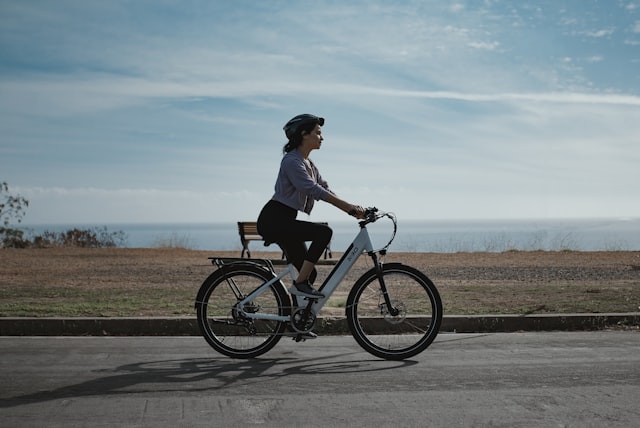
Sub-40 lb bikes you can carry upstairs and ride unpowered without a fight.
Most e-bikes weigh 55 to 80 pounds, which is fine until you have to carry one up stairs, lift it onto a rack, or pedal it home with a dead battery. Lightweight e-bikes aim for the 30 to 40 pound range by using smaller motors (often 250W to 350W), smaller batteries (250 to 400Wh), slimmer tires and sometimes carbon or high-end aluminum frames. The result rides like a normal bike with a tailwind rather than a small motorcycle, and it is the category that appeals to fitness riders, apartment dwellers and anyone who values the bike feeling like a bike.
The tradeoffs are real. Smaller motors give gentler assist, so if you want to get up to speed without effort or ride with little pedaling, a lightweight e-bike will frustrate you. Range is shorter too — 250 to 400Wh at efficient speeds gives roughly 20 to 35 miles of moderate assist, and many lightweight bikes intentionally drop the throttle to save weight and stay Class 1. On the other hand, the smaller pack charges fast and is easier to carry in for charging indoors, and the bike is genuinely pleasant to pedal unpowered on flat ground.
Because weight savings cost money, the category skews toward premium brands and dealer sales, with a handful of sub-$1,500 options that cut corners on components to hit the number. Check frame material, motor type (hub motors from reputable suppliers are common; mid-drives show up at the top), real battery watt-hours, brake quality and whether the bike can take fenders and a rack if you plan to commute. Riders with a lightweight bike whose small battery suddenly lost range, or whose quiet hub motor started making noise, can get an E-Bike Assessment to find out what changed.