Frisco E-Bike

E-Bikes

Budget E-Bikes

Value-focused bikes that still have the safety basics covered.

Budget e-bikes — roughly the under-$1,000 band, with a few under $600 — have gotten dramatically better, and a careful buyer can get a bike that works reliably for years. But you should know exactly where the money was saved. The usual corners are brakes (mechanical discs with small rotors and soft pads), battery cells (generic cells with lower real capacity and faster aging), cadence sensors with laggy assist, heavy steel or basic aluminum frames, and thin customer support with limited replacement parts. None of these make a bike unsafe by themselves, but they shape the ownership experience.

Some compromises are fine. A cadence sensor is perfectly usable on flat routes. A 36V or 48V pack of 350 to 500Wh gives 15 to 30 miles, which covers most neighborhood and short-commute riding. A basic 7-speed drivetrain and a coil fork are unglamorous but serviceable. What is not fine: brakes that cannot stop the bike confidently, a battery with no UL or equivalent safety certification and no brand name behind it, wiring with exposed or poorly sealed connectors, and a seller with no way to buy a replacement charger. Those are the things that turn a cheap bike into an expensive mistake.

Shop for a budget e-bike by checking the things that are hard to upgrade: frame rating, brake type and rotor size, battery certification and capacity in Wh, and whether the brand sells chargers and batteries separately. Accept weaker assist and basic components; refuse weak brakes and anonymous batteries. Keep the first-year expectations realistic — cable brakes will need adjustment and the chain will need lubing — and if the bike starts cutting out, not charging or showing errors, get an E-Bike Assessment before assuming it is junk. Many budget bike problems are a loose connector or a dying charger.
2 products

Shop budget e-bikes

Open a product for our full notes, pros and cons, and the link to its Amazon listing. We do not sell or ship products ourselves.

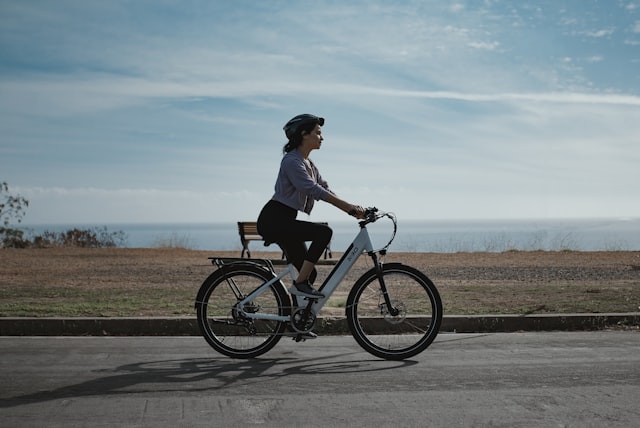
Rider on an electric bicycle on a road
Teen E-Bikes

Gotrax F2 Folding E-Bike

The Gotrax F2 is a small, light folding e-bike with 20-inch wheels and a 350W motor on a 36V system, topping out around 15.5 mph. That modest speed is exactly why it is a reasonable teen or campus bike: it behaves like a quick pedal bike rather than a moped. It folds small enough to fit in a dorm closet or car trunk and is light enough for most people to carry. Range is short, brakes are basic and it is not built for big riders or hills. For a young rider or a short campus hop it is sensible and inexpensive.

Best for: Teens and students · Dorm and apartment storage · Short, flat trips

Rider on an electric bicycle on a road
Teen E-Bikes

Isinwheel U1 Folding E-Bike

Isinwheel is better known for scooters, and its U1 e-bike carries the same design sensibility: a compact folding frame on 20-inch wheels, a modest rear hub motor and a removable battery, aimed at short urban trips. It is light for an e-bike, keeps speed in the Class 2 range and folds small enough for apartments and car trunks. Power and range are modest, so it suits teens, students and lighter riders on flat routes rather than hilly commutes. Specs have shifted across versions, so read the listing carefully, and expect entry-level brakes and online-only support.

Best for: Teens and students · Flat, short city trips · Small apartments

How to choose budget e-bikes

Brakes first

Mechanical disc brakes are the norm at this price and are acceptable with 180mm rotors and regular adjustment. Rim brakes or tiny 160mm rotors on a 60-pound bike are a reason to keep looking. Hydraulic brakes under $1,000 are a genuine bonus.

Battery certification and real capacity

Look for UL 2849 or UL 2271 certification or an equivalent recognized safety mark, and a stated Wh figure (volts times amp-hours). Avoid packs with no brand, no certification and no replacement available.

Parts and charger availability

Check that the brand sells replacement chargers, batteries and brake pads. A cheap bike from a seller that disappears becomes a paperweight the first time a proprietary part fails.

Weight rating and frame

Many budget bikes are rated for 265 to 300 pounds total. If you are close to that, or plan to carry cargo, step up a price band rather than hoping.

Acceptable compromises

Cadence sensor, 7-speed drivetrain, basic coil fork, plastic fenders and a modest 350 to 500Wh battery are all fine for neighborhood and short-commute use. Know that you are choosing them.

Maintenance tips

  • Adjust mechanical brakes as the pads bed in — cable stretch in the first month is normal.
  • Re-torque stem, handlebar, axle and rack bolts after the first ride; budget bikes often ship under-torqued.
  • Lube the chain every couple of weeks; cheap chains rust fast in a garage.
  • Use only the supplied charger or an exact-match replacement; a wrong-voltage charger can damage a budget pack quickly.

Frequently asked questions

Are cheap e-bikes safe?

Most from established budget brands are, provided the battery carries a recognized safety certification and the brakes are adequate. The real risks are no-name batteries with no certification and weak brakes — avoid those and the rest is mostly a question of comfort and durability.

What corners get cut on a budget e-bike?

Brakes (mechanical, small rotors), battery cells (generic, lower real capacity), sensors (cadence instead of torque), weight (heavier frames and forks), finishing (fit of fenders and racks) and support (slower service, fewer spare parts). Decide which of those you can live with.

How much range will a budget e-bike really get?

Typically 15 to 30 miles at moderate assist, because packs are smaller (350 to 500Wh) and often rate slightly below their label. Throttle-heavy riding can cut that in half.

Should I buy a used e-bike instead?

A used bike from a better brand can be a great deal if the battery is healthy, which is hard to verify without a test ride and ideally a charge-cycle count. If you are unsure, a new budget bike with a warranty is less risky for a first purchase.

My budget e-bike stopped working after a few months — is it junk?

Usually not. Loose connectors, a failed charger or a brake sensor stuck on account for a lot of budget-bike failures and are fixable. An E-Bike Assessment can help you narrow it down before you give up on it.

More e-bikes categories