Value-focused bikes that still have the safety basics covered.
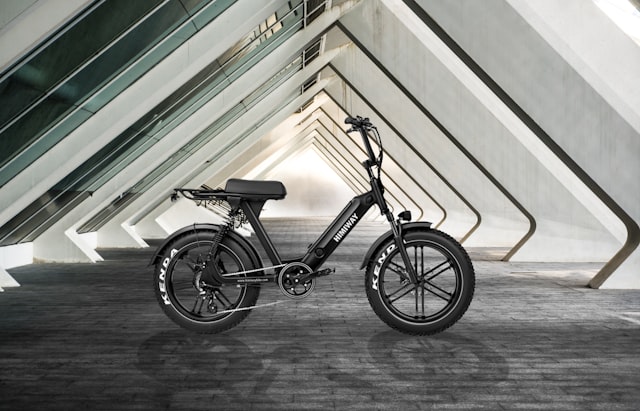
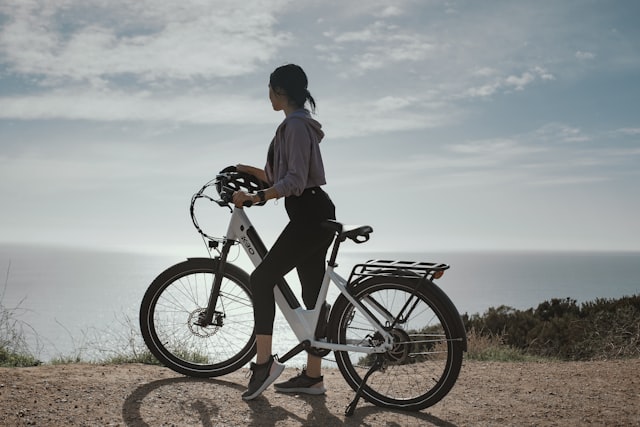
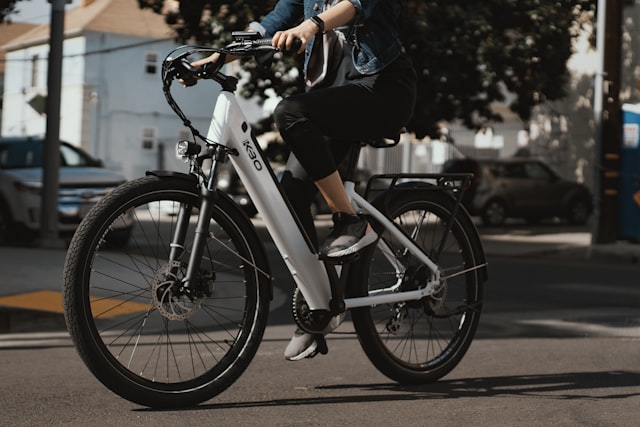
Budget e-bikes — roughly the under-$1,000 band, with a few under $600 — have gotten dramatically better, and a careful buyer can get a bike that works reliably for years. But you should know exactly where the money was saved. The usual corners are brakes (mechanical discs with small rotors and soft pads), battery cells (generic cells with lower real capacity and faster aging), cadence sensors with laggy assist, heavy steel or basic aluminum frames, and thin customer support with limited replacement parts. None of these make a bike unsafe by themselves, but they shape the ownership experience.
Some compromises are fine. A cadence sensor is perfectly usable on flat routes. A 36V or 48V pack of 350 to 500Wh gives 15 to 30 miles, which covers most neighborhood and short-commute riding. A basic 7-speed drivetrain and a coil fork are unglamorous but serviceable. What is not fine: brakes that cannot stop the bike confidently, a battery with no UL or equivalent safety certification and no brand name behind it, wiring with exposed or poorly sealed connectors, and a seller with no way to buy a replacement charger. Those are the things that turn a cheap bike into an expensive mistake.
Shop for a budget e-bike by checking the things that are hard to upgrade: frame rating, brake type and rotor size, battery certification and capacity in Wh, and whether the brand sells chargers and batteries separately. Accept weaker assist and basic components; refuse weak brakes and anonymous batteries. Keep the first-year expectations realistic — cable brakes will need adjustment and the chain will need lubing — and if the bike starts cutting out, not charging or showing errors, get an E-Bike Assessment before assuming it is junk. Many budget bike problems are a loose connector or a dying charger.