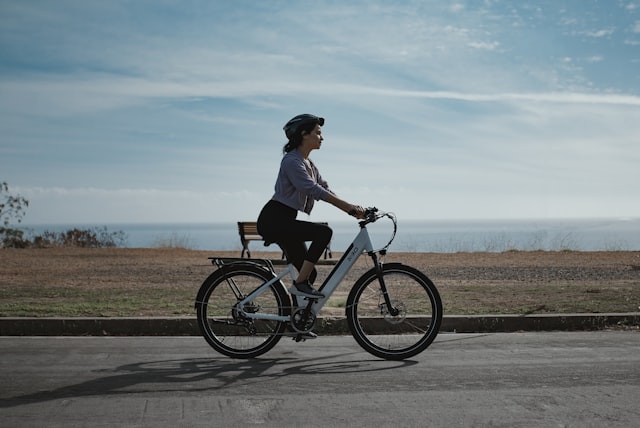
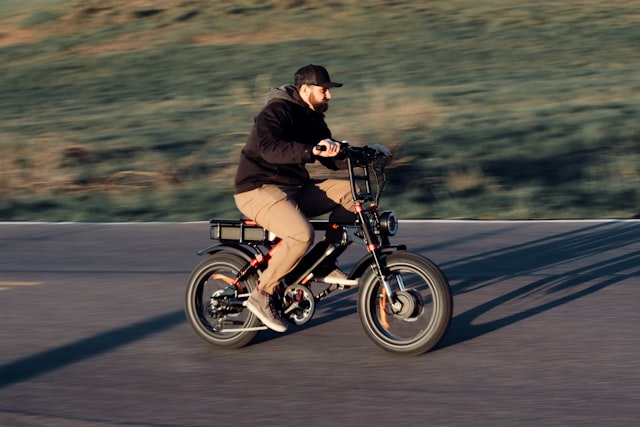
Class 1/2 bikes with appropriate speed, size and safety features for teens.
Buying an e-bike for a teenager is mostly a question of restraint: enough bike to be useful and fun for school, practice and friends' houses, and not so much that a 14-year-old is doing 28 mph in traffic. The sensible target is a Class 1 or Class 2 bike — pedal assist (and optionally a throttle) that stops helping at 20 mph — with a frame that actually fits, brakes sized for the weight, and lights and reflectors built in. Many of the bikes marketed to teens online are fast moped-style machines with big motors, and those are exactly what you want to avoid for a new rider.
Size and class are the first filters. Compact 20 inch wheel bikes and smaller step-through frames fit riders in the 5'0" to 5'8" range well and keep the weight manageable; a 70-pound fat bike is hard for a lighter teen to handle at walking speed. Look for a stated rider height range that includes your teen now, with some room to grow via seatpost and stem. Cadence-sensor Class 2 bikes are fine, but be aware that a throttle invites riding without pedaling and wears out the battery faster. Hydraulic brakes are a meaningful safety upgrade for a rider who is still learning to judge stopping distance.
Local law matters more than people expect. Texas defines three e-bike classes and generally treats them as bicycles, but cities, school districts and trail managers set their own rules about minimum ages, helmets, where e-bikes can ride and whether Class 3 or throttle bikes are allowed. Check with your city and your teen's school before buying, and set house rules: helmet every ride, lights on, no passengers, no modifications to unlock speed. If a teen's bike starts behaving oddly — cutting out, braking weakly, surging — stop riding it and get an E-Bike Assessment rather than letting a young rider troubleshoot a 60-pound powered vehicle.