Frisco E-Bike

Maintenance

Connector Tools

Pin extractors and crimp dies for Julet/Higo, XT and Anderson connectors.

E-bike wiring uses a handful of connector families over and over. Waterproof round connectors, commonly called Julet or Higo style, link the display, throttle, brake sensors and motor on most hub-motor bikes. XT60 and XT90 bullet connectors carry battery power on many systems, and Anderson Powerpole connectors show up on some batteries and chargers. When a pin bends, corrodes, or pulls out, the fix is usually a specific small tool rather than a whole new harness.

Pin extractors release the tiny locking tabs that hold terminals inside a connector housing so you can replace one damaged pin or re-pin a connector. Matching crimp dies form the correct barrel on a new terminal; a generic crimper rarely produces a reliable joint on these small pins. For XT connectors, a soldering iron and a clamp to hold the connector straight are the tools, since those pins are soldered, not crimped. Anderson pins crimp with a specific die as well.

Two cautions. First, the motor and power connectors on many bikes are keyed and pin-counted in ways that vary by brand, so confirm your connector type before ordering tools or replacement parts; compatibility across brands is not guaranteed. Second, the main battery-to-controller power connection carries enough current to arc and weld a tool; never cut or re-terminate it with the battery connected, and if you are unsure about which wire is which, do not guess. Damaged power connectors, scorched pins or melted housings are signals to stop and get an E-Bike Assessment rather than a DIY job.

2 products

Shop connector tools

Open a product for our full notes, pros and cons, and the link to its Amazon listing. We do not sell or ship products ourselves.

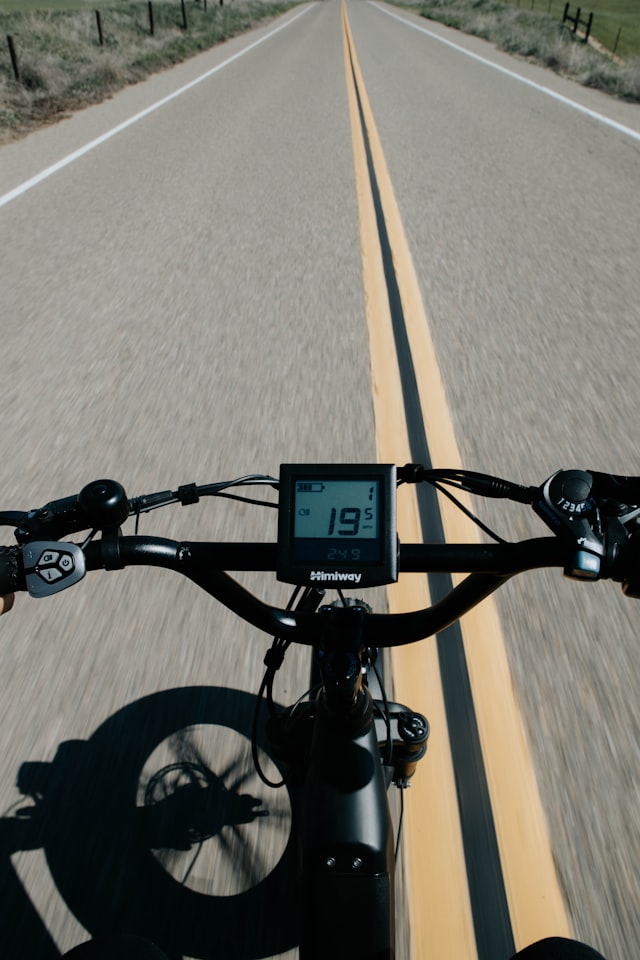
Electric bike handlebar and display detail
Connector Tools

Engineer PA-09 Micro Connector Crimper

The Engineer PA-09 is a Japanese-made crimper for very small open-barrel terminals — the kind inside JST-PH, JST-XH, Molex PicoBlade and similar connectors found in e-bike displays, sensor pigtails and some controller harnesses. It is not a ratcheting tool; you crimp the wire barrel and insulation barrel in two steps with different die positions, which takes practice but gives excellent crimps on pins too small for ratcheting crimpers. Hobbyists and repair techs swear by it. If you are rebuilding a damaged display or sensor plug rather than replacing the whole pigtail, this is the tool.

Best for: Rebuilding small display and sensor connectors · JST and Molex micro pins · Repair techs and hobbyists

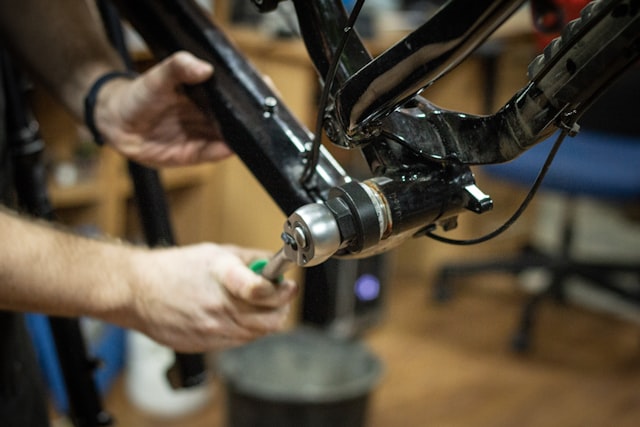
Mechanic working on bike components
Connector Tools

Julet / Higo Connector Pin Extractor Kit (generic)

Most hub-motor e-bikes use round waterproof Julet or Higo connectors for the display, throttle, brake cutoffs and motor. When one pin is bent or corroded, you can often release and replace that pin instead of replacing the whole cable. A pin extractor kit is a set of thin hollow tubes and picks that depress the pin's retention tab so it slides out the back. Quality varies between sellers, and you need to match the pin size, so look for a kit that lists e-bike connector sizes. Always unplug the battery first and photograph the pin order before pulling anything.

Best for: Repairing bent or corroded Julet/Higo pins · Re-pinning a harness after a wire pulled out · Home mechanics comfortable with small connectors

How to choose connector tools

Match the connector family

Julet/Higo-style round connectors, XT60/XT90 bullet connectors and Anderson Powerpoles each need different extractors and dies. Photograph your connector and compare before buying.

Extractor fit

Pin extractors are sized to the terminal; the wrong size bends the locking tab. Kits with multiple sizes cover most round connectors.

Crimp die quality

A ratcheting crimper with the correct die profile forms a reliable joint. Look for dies listed for the terminal series you have.

Soldering for XT connectors

A temperature-controlled iron with enough power to heat XT90 cups, plus flux and a clamp to hold parts aligned. Use heat shrink over each pin.

Sealing

Adhesive heat shrink and dielectric grease keep repaired connectors weatherproof; round waterproof connectors rely on their rubber seal being intact.

Compatibility notes

  • Round waterproof connectors look similar across brands but vary in pin count, gender and keying; do not assume interchangeability.
  • XT60 and XT90 are different sizes and current ratings; match the replacement to the original.

Installation considerations

  • Remove the battery from the bike before working on any connector, and confirm no voltage is present on power leads with a multimeter.
  • Note or photograph the wire color order before depinning a connector.
  • Work on one wire at a time when re-terminating power connectors so positive and negative cannot touch.

Frequently asked questions

What connectors does my e-bike use?

Most hub-motor bikes use round waterproof Julet/Higo-style connectors for signals and either a round motor connector or bullet connectors for the motor. Battery power commonly uses XT60, XT90, Anderson, or a proprietary plug. Identify yours before buying tools.

Can I straighten a bent pin?

Small bends in a round connector pin can often be straightened gently with fine tweezers. A pin that is cracked, corroded green or loose in the housing should be replaced with an extractor and a new crimped pin.

How do I replace an XT60 on a battery lead?

With the battery disconnected and one wire at a time: cut, strip, slide heat shrink on, solder into the cup, shrink the insulation, then the next wire. If you are not confident, a shop visit is cheaper than a short circuit.

When should I not attempt a connector repair?

When the connector is scorched, melted or has arced, when it is on the battery or BMS side of the pack, or when you cannot identify the wires. Those are cases for an E-Bike Assessment.

More maintenance categories