Small-wheel, short-wheelbase bikes for tight storage and shorter riders.
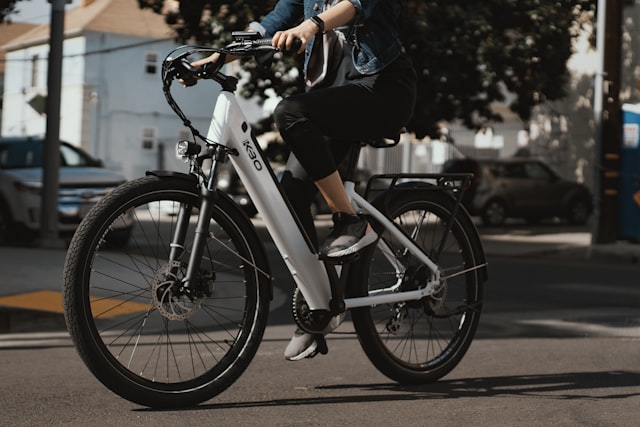
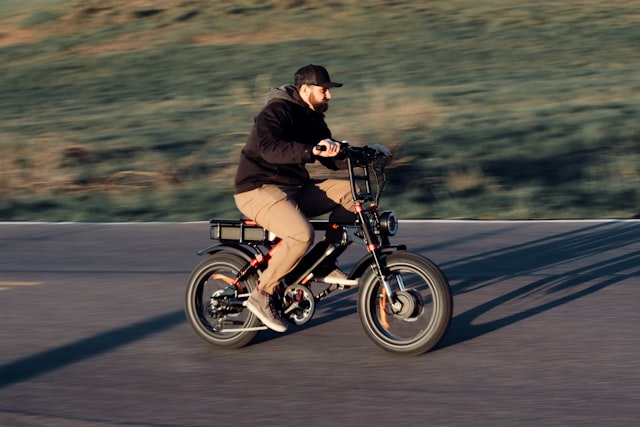
Compact e-bikes use small wheels — usually 20 inch, sometimes 16 — and a short wheelbase to make a bike that fits shorter riders, tight storage spaces and crowded bike rooms. Many fold; many do not. The non-folding compacts trade the hinge for a stiffer frame and lower price while keeping the small footprint, and they often include a long rear rack that doubles as a mini cargo deck, which makes them popular as grocery-and-errand bikes for apartment residents and as a first e-bike for riders in the 4'10" to 5'6" range.
Small wheels change the ride. Acceleration is quick and handling is nimble, which is fun in the city but can feel twitchy at speed to riders used to full-size bikes. Bumps hit harder because the wheel cannot roll over them as easily, so fat 20x3 or 20x4 tires at lower pressure, or a suspension seatpost, make a real difference. A low standover makes compacts very easy to mount, and the low center of gravity helps with cargo. Frame stiffness and an adjustable stem and long seatpost are what let a one-size compact fit both a 5'0" rider and a 6'0" partner.
Compact does not mean light; many 20 inch fat-tire compacts weigh 60 to 70 pounds. If carrying the bike matters, look at lightweight or slim folding models instead. Otherwise, evaluate compacts on the same basics as any e-bike: hydraulic brakes if possible, a 48V battery of 500Wh or so, a torque or responsive cadence sensor, and a rack rated for how you will use it. Owners whose compact e-bike has developed a hinge or stem wobble, or an intermittent electrical fault, can get an E-Bike Assessment to figure out what needs attention before riding it hard.